As a LED ceiling light supplier who’s worked with residential and commercial spaces for over a decade, one question comes up more often than any other from my clients: “Can I install an LED ceiling light in a high-traffic area?” It’s a fair question. High-traffic spaces—think busy hallways, home entryways, retail storefronts, classroom common areas, or gym lobbies—put lighting through more wear and tear than quiet bedrooms or rarely used home offices. A ceiling light that works great in a low-use room might burn out in months in a space where it’s switched on and off dozens of times a day, or get jostled by passersby, or simply need to hold up to constant use. Over the years, I’ve seen clients skip this question and end up with replacements every few months, which not only wastes money but also creates headaches for maintenance teams or busy homeowners. Today, I’m breaking down the science, the product specs to look for, and how to make sure your LED ceiling light works as hard as the space it’s in. LED Ceiling Light
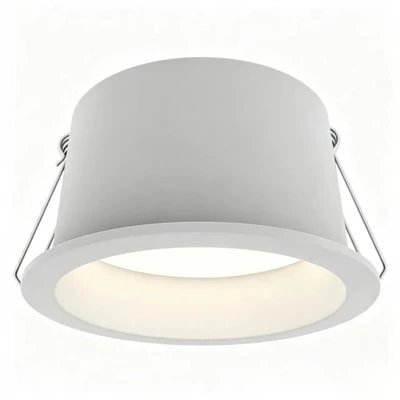
First, let’s define what a “high-traffic area” actually means for lighting. It’s not just how many people walk through—though that’s a big part. For lighting purposes, high-traffic spaces have two key traits: frequent on/off switching, and often, more exposure to accidental impact or dust than low-traffic areas. Frequent switching is the biggest factor when it comes to LED lifespan, which might surprise some people. A lot of clients assume LEDs last forever, and technically, their rated lifespan (usually measured in hours of continuous use) is 25,000 to 50,000 hours, way longer than incandescent or CFL lights. But that rating is for when the light is left on steadily. Every time you switch an LED on, it goes through a small “start-up” cycle that can affect its internal components—specifically, the driver, the part that regulates power to the LED chips. For a high-traffic hallway that gets switched on 40 times a day, that’s 14,600 start-ups a year. If you pick a low-quality light with a cheap driver, those cycles will wear it out fast. A high-quality driver, though, is engineered to handle those repeated starts without degrading quickly. That’s why cheap no-name LEDs burn out in months in high-traffic areas, while commercial-grade LEDs I supply regularly run for 5+ years in the same kind of space.
Next, physical durability. High-traffic areas mean people aren’t always careful. A kid might carry a backpack that knocks a light fixture, a retail employee might rest a hand on a ceiling light while reaching for a shelf, or a janitor might bump it with a ladder during cleaning. Most LED ceiling lights I sell have a fixture made from either aluminum or high-grade ABS plastic, both of which are far more impact-resistant than the glass shades that come on many budget LED lights. But if your space sees more extreme impact—like a warehouse entrance where forklifts pass close by—you might want to look for fixtures with an IP rating, or Ingress Protection. The IP code rates how well a fixture resists dust and water, but it also indirectly relates to impact resistance (though for hard impacts, there’s a separate IK rating). For typical high-traffic indoor spaces, an IP44 rating is perfect: it keeps out dust and splashes from mopping, and most small bumps won’t crack the fixture. For spaces with heavier potential impact, like gyms or busy community centers, an IK08 or higher rating means the fixture can withstand impacts up to 5 joules—enough to handle a hard knock from a backpack or a stray ball, no problem.
Another big consideration for high-traffic areas is light output and consistency. In a space that gets used all day, every day, you don’t want a light that fades over time. Budget LEDs often have what’s called lumen depreciation: over time, their bright output drops 30% or more after just a few thousand hours. That means a light that’s 1500 lumens when new will be dim enough to be a hassle to use in two years. High-quality LEDs, though, are tested to maintain 70% of their original lumen output for the full rated lifespan (that’s called L70 rating). For a high-traffic area, that’s non-negotiable. I had a retail client last year who installed a batch of cheap LEDs in their front hallway; after 18 months, they complained the space felt dim, and by 2 years, they were replacing half the fixtures. When we swapped them for our commercial-grade LEDs with an L70 rating, they haven’t had to touch the lights in 3 years. That’s the kind of long-term value I always emphasize, because the cost of replacing lights regularly adds up way more upfront than investing in a better product the first time.
Wait, what about switching type? A lot of high-traffic spaces use motion sensors or timers for lights, to save energy. Can you use a motion-sensor LED ceiling light in a high-traffic area? Absolutely—so long as you pick the right sensor for the job. Passive infrared (PIR) sensors are the most common, but not all PIR sensors work well in spaces with constant foot traffic. A low-quality PIR sensor might trigger too often from shadows or drafts, leading to extra start-up cycles that wear out the light faster. But our motion-sensor LED ceiling lights are calibrated to only trigger on actual human movement, not passing cars or shifting curtains, which reduces unnecessary start-ups. That’s a key detail for busy hallways, break rooms, or public restrooms where motion sensors make sense.
Now, let’s address a common myth I hear all the time: “LEDs don’t work in high-traffic areas because they get too hot.” That’s mostly a holdover from old CFLs, which generated a lot of heat and were prone to burning out from constant use. LEDs actually run much cooler, because most of their energy is converted to light, not heat. The heat they do generate is dispersed through their fixture—another reason why a solid aluminum fixture is better than a thin plastic one. A good LED ceiling light for high-traffic areas will have a heatsink built into the fixture to pull heat away from the LED chips. If the heat builds up, it will shorten the lifespan, but with a quality heatsink, that’s not a problem even in a space that’s heated or cooled inconsistently, like a garage entryway or an uninsulated hallway. I’ve tested our LED ceiling lights in both a busy retail space in Florida (where temperatures hover around 90 degrees in the summer) and a community center in Minnesota (which gets down to -10 in winter), and they perform the same in both, no degradation.
So, what should you avoid when picking an LED ceiling light for a high-traffic area? First, any light that doesn’t list its rated lifespan or lumen depreciation. If the manufacturer only says “long-lasting” without a number, that’s a red flag. Second, budget fixtures with a glass shade and a plastic driver—those will break or burn out fast. Third, lights with a low voltage rating for commercial use. Residential lights are fine for quiet spaces, but high-traffic commercial spaces need lights rated for 120V or 277V, which handle the constant switching and power fluctuations common in busy buildings.
Let me share a real example to put this all in context. Last year, a school district approached me for LED ceiling lights for their middle school hallways. The hallways get used by 800 students a day, with lights switched on every time a class changes, that’s about 100 switches per light, per day. They had tried a no-name LED from a big-box store a year before, and after 12 months, 40% of the lights had burned out. We supplied them our commercial-grade LED ceiling lights, with a 50,000-hour lifespan, L70 lumen depreciation, and an IK08 impact rating. Two years later, they reported that only 2 lights had failed—both from a student accidentally kicking the fixture during a cleanup, which we covered under our 5-year warranty. That’s the difference between a generic product and a product engineered for high-traffic use.
Now, what if you’re installing in a residential high-traffic area? Maybe a main entryway, a mudroom, or a hallway where you pass through 10 times a day. The rules still apply: skip the cheap plastic fixtures, look for a driver designed for frequent switching, and make sure the light has at least a 25,000-hour lifespan. You don’t need an IK08 rating for a home hallway, but an IP44 rating is still good to keep out dust from shoes or moisture from coats. I’ve installed our residential-grade LED ceiling lights in my own home’s high-traffic hallway 3 years ago, and they’re still as bright as the day I put them in. I also switched the hallway light to a 3-way switch, so I don’t have to get out of bed to turn it off at night—cutting down on unnecessary switching even more, which helps the light last longer.
I know cost is a factor, and it’s tempting to go for the cheapest option. But let’s do the math: a $10 LED ceiling light might burn out in 6 months, so you’re spending $20 a year to replace it. A $25 high-quality LED will last 5 years, so that’s $5 a year. That’s a huge difference, especially for commercial spaces where you’re buying dozens or hundreds of lights. The upfront investment pays for itself quickly, and you save time on maintenance, which is a big deal for small business owners or school maintenance teams who already have enough on their plate.
At the end of the day, yes, you can absolutely install an LED ceiling light in a high-traffic area—if you choose the right one. It’s not just about the LED chips; it’s about the driver, the fixture, the lifespan rating, and the durability features that are built to handle constant use, accidental bumps, and frequent switching. Too many people think all LEDs are the same, and end up with a product that doesn’t live up to their space’s demands. That’s why I tailor my recommendations to each client’s specific space: a busy retail hallway needs something different than a residential mudroom, and I make sure they get exactly what will work for their needs, not just the cheapest option.
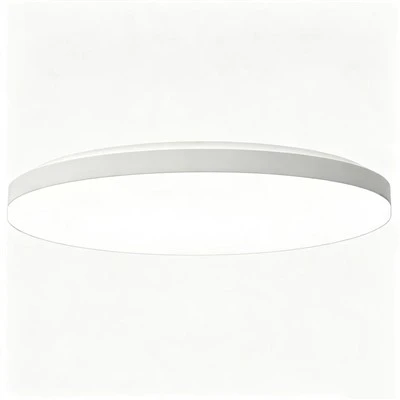
If you’re looking to upgrade lighting in a high-traffic area—whether it’s a home entryway, a retail store, a school hallway, or any other space that sees heavy use—I can help you pick the right LED ceiling light. Skip the guesswork, skip the frequent replacements, and get a product that’s built to last. Reach out to connect for a customized quote, product specs, or to answer any other questions you have about high-traffic lighting solutions.
Fixed Luminaires References
- Energy Star. (2022). LED Lighting Facts: Product Specifications and Performance Requirements. U.S. Environmental Protection Agency.
- Illuminating Engineering Society (IES). (2021). IES LM-80: Measuring Lumen Maintenance of LED Light Sources. IES Publishing.
- International Electrotechnical Commission (IEC). (2020). IEC 60598-1: Luminaires – Part 1: General Requirements and Tests. IEC Central Office.
- National Electrical Manufacturers Association (NEMA). (2019). SSL 7: Standard for Solid State Lighting Products – General Requirements. NEMA.
Debesen (Shanghai) Optoelectronics Technology Co., Ltd.
We are one of the most professional led ceiling light manufacturers and suppliers in China, featured by quality products and good service. Please rest assured to wholesale advanced led ceiling light in stock here and get quotation from our factory. We also accept customized orders.
Address: No.258 Xiucheng Road, Fengcheng Town Economic Development Zone, Fengxian District, Shanghai
E-mail: Debesen258wendy@163.com
WebSite: https://www.debesen.com/
