If you’ve walked into a hotel room that smelled musty after a long gap between guests, or wondered how properties are eliminating hidden pathogens, you’ve probably stumbled on questions about ozone sterilizers. As a supplier of commercial-grade ozone solutions, I get these questions constantly from hotel owners, housekeeping managers, and even travelers asking if these devices are safe, effective, and worth the investment for guest rooms. The short answer is yes—but it’s not as simple as flipping a switch and leaving. There’s a lot of science behind how ozone works, and even more specific rules for using it in busy hospitality spaces where guest safety, property integrity, and guest experience matter most. Ozone Sterilizer

First, let’s break down why ozone is such a good fit for hotel disinfection, to start with the basics everyone can wrap their head around. Ozone (O3) is a molecule made up of three oxygen atoms, and it’s naturally present in small amounts in the air we breathe, mostly from sunlight hitting oxygen molecules in the upper atmosphere. What makes it a powerful sterilant is that third oxygen atom: it’s highly reactive, so it breaks down the cell walls of pathogens—bacteria, viruses, mold, and even volatile organic compounds (VOCs) that cause that stale, musty hotel smell. Unlike surface wipes that only work where you wipe, ozone can reach every nook and cranny: behind furniture, inside air vents, in mattress crevices, and even inside luggage left in a closet, where common disinfectants often miss. That’s a huge win for hotels, because high-touch surfaces (doorknobs, light switches, remote controls) get all the press, but hidden areas are where germs can linger between stays, and mold behind walls or under carpets can cause ongoing problems for both guests and property.
The key here is that not all ozone devices are created equal. As a supplier, I see too many hoteliers buy cheap, unregulated ozone generators online that don’t meet commercial standards. Those often produce inconsistent ozone levels, either too weak to kill pathogens or so high that they damage hotel property. Commercial-grade ozone sterilizers for hotels are calibrated to produce between 500 and 1000 parts per million (ppm) for short-duration treatments, which is more than enough to eliminate 99.9% of common pathogens, but not enough to cause damage. For context, the Occupational Safety and Health Administration (OSHA) sets a legal limit of 0.1 parts per million (ppm) for continuous air exposure in workplaces—so when used correctly, a commercial unit will only reach that threshold during the treatment, and drop to safe levels once it’s done.
Now, the big question: is it safe for hotel guests and staff? The answer depends entirely on how you use it. You can’t run an ozone sterilizer while anyone is in the room. That’s non-negotiable. Treatments require the room to be fully vacated, all windows and doors closed, and any HVAC systems turned off (unless the unit is paired with HVAC integration, which we offer for larger spaces). The standard protocol for a hotel guest room is a 2 to 4 hour treatment, depending on the size of the room and the level of contamination. Once the treatment is done, the room needs to aerate for 30 to 60 minutes—we use calibrated sensors to test the air before anyone is allowed back, to confirm ozone levels are below OSHA’s limit. That process works for both new builds (to address VOCs from paint, carpet, and furniture glue) and turnovers (to eliminate germs and odors between guests). I’ve worked with dozens of boutique hotels in urban areas and budget chains in suburban locations that have switched to this process after noticing that traditional wipe-downs weren’t eliminating that persistent “old room” smell, especially in rooms that had been vacant for a week or more.
But there are common mistakes that hoteliers make that lead to bad outcomes, and I see these all the time. One is under-aerating the room after treatment. I remember a small hotel owner in Arizona who tried to cut costs on his first purchase, bought a cheap generator, ran it for 2 hours, and only aerated for 10 minutes before letting a guest check in. The guest complained of a sore throat and a headache, which turned out to be from residual ozone. That’s why we include air quality sensors with every commercial unit we sell, and train our clients on the exact aeration time required—no shortcuts. Another mistake is not prepping the room before treatment. Ozone works best when there’s no moisture buildup, so you shouldn’t run it right after a housekeeping team mops a bathroom or cleans a shower. Moisture can react with ozone to form byproducts that are irritating, and it can also reduce the effectiveness of the sterilant. You also need to remove any heat-sensitive items from the room: silk curtains, leather furniture, electronics like TVs and alarm clocks. Ozone can fade fabric, discolor certain plastics, and corrode metal over time if left exposed during treatment. That’s a small step, but it’s easy to train housekeeping teams to move those items into a closed closet or storage bin before starting the cycle.
Let’s compare ozone sterilization to other common hotel disinfection methods to put it in perspective. Before the pandemic, most hotels relied on surface cleaning with EPA-registered disinfectants, which works for visible high-touch surfaces, but has two big downsides: it’s labor-intensive (housekeeping teams have to wipe every single surface, which takes time and can lead to missed spots), and it only disinfects surfaces, not the air or hidden areas. During peak turnovers, a housekeeper might have 15 minutes to clean a guest room, so it’s common for a remote control or the back of a nightstand to get missed. Ozone solves that because it’s a whole-room treatment—once the cycle starts, it reaches every part of the space, no extra labor needed. UV-C light is another alternative, but it only works on surfaces it directly hits, so it can’t reach behind furniture, inside mattresses, or through porous materials like fabric. Ozone, by contrast, can penetrate porous materials and kill germs on both surfaces and in the air. That’s why many hotels use a combination: surface cleaning for high-touch spots, followed by a short ozone treatment between guests.
Another big win for hotels is odor elimination. That’s a complaint I hear from travelers all the time—“my room smells like smoke” or “there’s a mildew smell.” Traditional deodorizers just mask odors, covering them with a chemical scent that some guests find overwhelming. Ozone breaks down the molecules that cause odors, so it eliminates them at the source. For hotels that have rooms that previously had smoking guests, or rooms with mold issues from past leaks, ozone is often the only way to get rid of that smell completely, instead of masking it with air fresheners. We’ve had clients tell us that after switching to ozone treatments, their housekeeping teams save 10 to 15 minutes per room turnover, because they don’t have to spend extra time spraying air fresheners or scrubbing for odors. That adds up when you have 50 or 100 rooms turning over every day.
Now, let’s address the concerns that people still have, because I know there’s hesitation out there. Some people worry about ozone damaging their HVAC systems. That’s only a risk if you run the unit while the HVAC is on, or if you use a unit that produces too high an ozone level. Commercial units we sell are designed to work with HVAC systems only when they’re connected to our controller, which shuts off the HVAC during treatment, then adjusts the airflow to aerate safely afterward. We also recommend annual HVAC coil treatments with mild, ozone-safe cleaners, which prevents any buildup. Another concern is legal stuff: OSHA’s 0.1 ppm limit is the standard, and most state and local health departments allow ozone treatments as long as they’re done properly, with clear signage that the room is undergoing treatment. We provide our clients with all the necessary signage and documentation to show health inspectors, which has been a big help for many small hotel owners who don’t have the time to navigate regulations.
For hotels of all sizes, there are different ozone solutions that fit different needs. A 20-room boutique hotel might need a single portable unit that can be moved between rooms, which is easy to use and affordable. A 200-room chain property might need fixed units installed in each floor’s HVAC closet, which can run automatically between guest turnovers, reducing labor even more. We work with clients to assess their space, their turnover times, and their specific needs, so we don’t sell a one-size-fits-all unit. For example, a beachfront hotel has higher humidity, so we recommend units with humidity sensors to adjust the ozone level, to prevent mold growth and keep treatments effective. A mountain hotel might have rooms with fireplaces, so we provide additional protection against fabric fading.
I’ve been in this industry for 8 years, working with hotels across North America, and the most common feedback I get is that hotels don’t realize how much a good disinfection process impacts guest satisfaction. A traveler who walks into a room that smells clean and has no hidden germs is more likely to leave a positive review, come back, and recommend the hotel to friends. After the pandemic, guests are more aware of germs than ever before, and a lot of them will ask housekeeping if they use extra disinfection methods. Being able to say we use ozone treatments between guests is a big selling point for many hotels.
At the end of the day, the question isn’t “can you use an ozone sterilizer in a hotel room”—it’s how to use it correctly to get all the benefits without any risks. It’s not a replacement for proper surface cleaning, and it’s not a magic solution that works without any prep, but when paired with standard housekeeping protocols, it’s one of the most effective, cost-efficient ways to keep hotel rooms clean, odor-free, and safe.
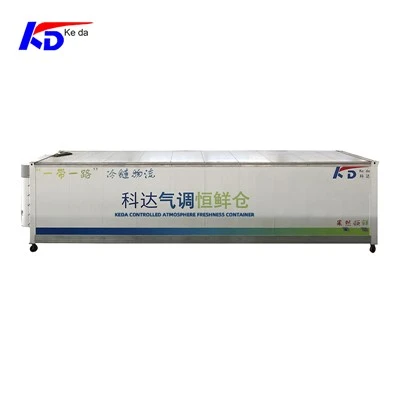
If you’re a hotel owner, housekeeping manager, or operations director looking to add ozone treatments to your turnover process, we’re here to help. We can walk you through the right unit for your space, provide training for your team, and even work out a custom treatment schedule that fits your turnover times. Don’t hesitate to reach out to discuss your specific needs.
Intelligent CA Integrated Machines References:
- Occupational Safety and Health Administration. Ozone Exposure Limits and Guidelines. U.S. Department of Labor, 2024.
- Centers for Disease Control and Prevention. Disinfection and Sterilization Guidelines for Non-Critical Environments. CDC, 2023.
- World Health Organization. Efficacy of Ozone as a Disinfectant for Pathogen Elimination in Indoor Spaces. WHO, 2022.
- Hotel Technology and Operations Association. Commercial Disinfection Solutions for Guest Rooms. HTOA, 2023.
- Environmental Protection Agency. Registered Disinfectants for Ozone Applications. EPA, 2024.
Yantai Keda Zhixian International Trade Co., Ltd.
As one of the leading manufacturers and suppliers of ozone sterilizer in China, we have world-leading production equipment and strong manufacturing capabilities. Please feel free to buy high-grade ozone sterilizer for sale here from our factory.
Address: No.18-2, Wuhan St, Yantai ETDZ, Yantai, Shandong, China
E-mail: ytkeda2026@163.com
WebSite: https://www.kedacastorage.com/
