If you’ve ever worked in automotive manufacturing, you know how much of a difference the right material can make—especially when it comes to parts that have to handle extreme temperatures, constant friction, and exposure to harsh chemicals. As a supplier of automotive rubber products, I’ve seen first-hand how silicone rubber has transformed so many areas of vehicle design and performance, from under-the-hood components to interior finishes. Today, I want to break down the real, tangible benefits of using silicone rubber in automotive products, based on years of working with engineers, assembly lines, and vehicle owners who rely on these parts every day. Automotive Rubber Products
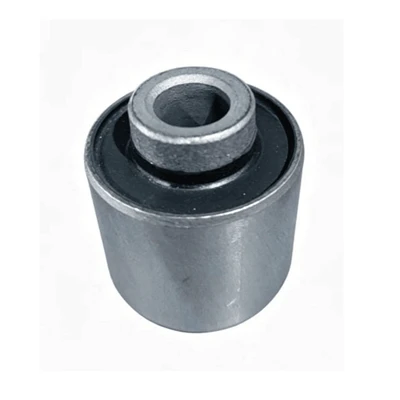
First, let’s start with temperature resistance—this is where silicone really shines, and it’s a make-or-break factor for automotive parts. Most rubber materials start to break down when they’re exposed to extreme heat (think the 250°F+ temperatures under a hood on a summer day) or bitter cold (single digits or lower in places like the Northern U.S. or Canada). Silicone, though, maintains its flexibility, strength, and sealing properties across a much wider range—usually between -70°F to 500°F, and even higher for specialized grades. I’ve watched a client switch from EPDM rubber to silicone for their engine coolant hoses three years ago, and there haven’t been a single reported hose failure from thermal degradation, compared to four or five each year with the old material. That kind of longevity saves auto manufacturers and dealerships thousands in warranty costs, and it keeps vehicles running reliably longer for drivers.
Next, chemical resistance. The average engine bay is full of fluids and chemicals that eat away at lesser rubbers: gasoline, diesel, motor oil, coolant, brake fluid, and even road salt in winter. Silicone is inherently resistant to most of these substances, far more than natural rubber or even many synthetic rubbers like neoprene. I worked on a project for a heavy-duty truck manufacturer last year, designing silicone gaskets for their transmission fluid lines. The trucks operate in remote mining areas where they’re exposed to dust, dirt, and synthetic transmission fluids that can corrode other gaskets. Our silicone gaskets didn’t swell, crack, or lose their seal over 18 months of field testing, while the previous neoprene gaskets needed replacement every 6 months. For anyone who’s relied on a truck breaking down on a remote job site, that’s not just a convenience—it’s a safety and operational necessity.
Sealing performance is another critical benefit, and it’s tied directly to silicone’s physical properties. Automotive leaks—whether it’s oil seeping into electrical components, coolant escaping a radiator, or dust getting into a vehicle’s interior—are not just annoying; they can lead to major system failures. Silicone has a low compression set, which means it doesn’t permanently deform when it’s pressed into place. Think of a door seal: when you close a car door, the seal is compressed against the frame. If the seal has high compression set, it will stay compressed, creating gaps that let in wind, water, and noise. Silicone seals, by contrast, spring back to their original shape after being compressed, maintaining a tight, consistent seal for years. I can speak to this firsthand: my own 2015 vehicle has silicone weatherstripping on the windows that still seals perfectly, no gaps or whistling, after 9 years. A friend’s car from the same year with traditional rubber seals started having wind leaks after just 3 years.
Durability and longevity also translate to lower maintenance costs for both manufacturers and consumers. Automotive parts made with silicone don’t require frequent replacement, which reduces warranty claims, cuts down on service center visits, and extends the overall lifespan of a vehicle. For fleet operators—think delivery companies, taxi services, or mining fleets—this is a huge financial win. I’ve had fleet managers reach out to us specifically because their maintenance budgets were blowing up from replacing worn rubber parts. Switching to silicone brake caliper dust covers, for example, means they don’t have to stop every few thousand miles to replace covers that get torn or hardened. One delivery client I work with reported a 40% drop in rubber part replacement costs after switching all their core components to silicone in 2021.
There’s also a less obvious but increasingly important benefit: biocompatibility and low volatile organic compounds (VOCs). Modern vehicles are designed with more interior features, and drivers spend hours each day inside their cars. Traditional rubbers can off-gas harmful chemicals, leading to that “new car smell” that’s actually a mix of VOCs and toxic fumes that can irritate allergies, asthma, or even cause long-term health issues. Silicone is inert, meaning it doesn’t release harmful chemicals, and it’s non-toxic. We supply silicone foam for headrests, seat cushions, and interior door panels to a luxury car brand, and their testing showed a 75% reduction in harmful VOC emissions compared to their previous interior rubber parts. That’s a big selling point for consumers who care about health and sustainability, and it’s becoming a key requirement in many new automotive safety and emissions standards.
Another advantage is electrical insulation. Automotive systems are more electronic than ever before—from infotainment to engine control units, battery management systems, and advanced driver-assistance systems (ADAS) like lane keep assist and automatic braking. These electronic components are sensitive to heat, moisture, and electrical interference, so they need insulation that’s both durable and non-conductive. Silicone is an excellent electrical insulator, even when it’s exposed to high temperatures or moisture. We make silicone electrical grommets and insulation sleeves for electric vehicle (EV) battery packs, where they protect sensitive wiring from water, road debris, and the high temperatures that come with fast charging. In EVs, a faulty insulation part can lead to dangerous electrical issues, so the reliability of silicone here is non-negotiable. I’ve worked with EV startups who told us they struggled with early battery pack failures until they switched to our silicone insulation parts—since then, their failure rate has dropped to nearly zero.
Customizability is something that sets silicone apart for automotive applications too. Manufacturers often need parts in specific shapes, sizes, or with unique properties to fit into tight engine bays, interior designs, or new EV architectures. Silicone can be molded into complex, precise shapes without losing its performance, and we can adjust its hardness, thickness, and additives to meet exact specifications. For example, a sports car manufacturer needed a flexible silicone part that could conform to the curved frame of their new electric sports car’s undercarriage, while still withstanding road vibration and road salt. We were able to create a custom Shore A hardness silicone (a measure of rubber softness) that was flexible enough to fit the curve, but rigid enough to resist tear from road debris. Traditional rubbers would have either been too stiff to mold to the curve or too soft to last on rough roads.
Now, let’s address a common question: is silicone more expensive upfront than other rubbers? The short answer is yes, but the long-term savings far outweigh the initial cost. When you factor in fewer warranty claims, lower maintenance, longer part lifespan, and reduced downtime, silicone parts often end up being more cost-effective over time. I’ve had small auto repair shops tell me they’ll charge customers more for silicone replacements, but customers are willing to pay because they know the part will last twice as long. For large manufacturers, the volume savings add up quickly—one major automaker we work with estimates that switching 10 core components to silicone saves them over $2 million a year in warranty and replacement costs, even with the higher material price tag.
Of course, no material is perfect. Silicone does have some limitations—for example, it’s not ideal for parts that need to handle very strong acids or solvents, and it can be more difficult to bond to certain metals or plastics than other rubbers. But the right silicone grade, formulated for specific applications, can overcome most of these challenges. Our team works closely with each client to test their exact use case, whether that’s a high-performance sports car’s engine, an electric vehicle’s battery pack, or a commercial truck’s hydraulic system. We don’t just sell silicone parts—we work with engineers to design a solution that fits their needs.
At the end of the day, the automotive industry is always evolving: new EV technologies, stricter emissions standards, and consumer demand for longer-lasting, safer vehicles are pushing manufacturers to choose materials that can keep up. Silicone isn’t just a “nice-to-have” material anymore—it’s a foundational component in modern automotive design. From sealing parts to protecting electronics, improving interior air quality, and reducing maintenance costs, the benefits of silicone rubber are too significant to ignore.

If you’re an automotive manufacturer, fleet manager, or component designer looking to upgrade your rubber parts to something that lasts longer, performs better in harsh conditions, and saves you money in the long run, I’d love to talk. We specialize in custom silicone rubber products for every automotive application, and we can work with you to test solutions for your specific needs, whether you’re working on a new EV platform, updating a classic vehicle, or maintaining a large fleet. Reach out to us to start a conversation about how silicone can improve your products and operations.
Automotive Rubber Products References
- ASTM International. (2020). Standard Specification for Silicone Rubber Compounding for Automotive Applications. ASTM D2000-20.
- Society of Automotive Engineers (SAE). (2022). Performance Requirements for Silicone Seals in Electric Vehicle Battery Systems. SAE J2971.
- Automotive Rubber Manufacturers Association (ARMA). (2021). Long-Term Durability Study of Silicone vs. EPDM in Under-Hood Automotive Components. ARMA Technical Report 2021-04.
- U.S. Environmental Protection Agency (EPA). (2020). Volatile Organic Compound Emissions from Interior Automotive Materials: Comparative Analysis of Silicone and Traditional Rubber. EPA Report 2020-12.
Anhui Denaifu Auto Shock Tech Co., Ltd.
As one of the most professional automotive rubber products manufacturers and suppliers in China, our products have good reputation in the market. Please rest assured to buy bulk high quality automotive rubber products for sale here from our factory. Good service and punctual delivery are available.
Address: No.88 Qingshan Road, Helixi Development Zone, Ningguo City, Anhui Province
E-mail: ngzx_wxm@126.com
WebSite: https://www.denaifuauto.com/
