Hey there! I’m a supplier of slab formwork, and today I wanna chat about something super important – seismic considerations for slab formwork. It’s not just any random topic; it’s a game – changer when it comes to construction in seismic – prone areas. Slab Formwork
Let’s start from the basics. What does "seismic" actually mean? In simple terms, it refers to earthquakes. Earthquakes can be a real nightmare for construction, especially when it comes to slab formwork. Slab formwork is the structure that holds concrete in place while it hardens, creating floors and other horizontal surfaces in buildings.
When an earthquake hits, the ground shakes violently. This shaking force, known as seismic force, can put immense stress on the slab formwork. If the formwork isn’t designed to handle these forces, it can lead to all sorts of problems. The formwork might collapse, which is not only a disaster for the construction project but also a huge safety hazard for the workers on – site. And even if it doesn’t completely collapse, damage to the formwork can cause the concrete to crack or deform, affecting the overall integrity of the building.
So, what are the key seismic considerations for slab formwork?
First off, the design of the formwork matters a great deal. In seismic – prone regions, we need to design the formwork to be flexible and able to withstand lateral forces. You see, during an earthquake, the ground moves not just up and down but also from side to side. A rigid formwork won’t be able to adapt to these lateral movements and is more likely to break. We need to use materials and structural designs that can bend a little without breaking. For example, using steel frames with proper bracing can help distribute the seismic forces evenly. The bracing acts like a support system, preventing the formwork from toppling over during the shaking.
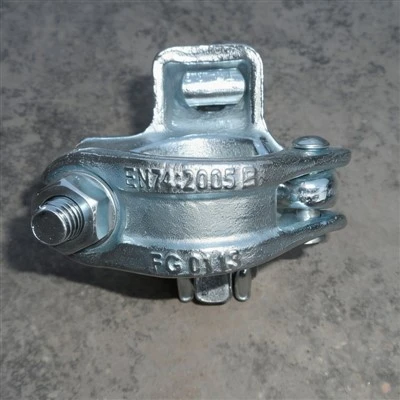
Another important factor is the connection points in the formwork. The connections between different parts of the formwork, like the beams and panels, need to be strong and secure. Loose connections can easily come apart during an earthquake, causing the whole formwork structure to fail. We use high – quality fasteners and connectors that are specifically designed to withstand seismic forces. These connectors are made to have a certain amount of flexibility to absorb the shock of the shaking but also enough strength to hold the formwork together.
The weight of the formwork is also a big deal. Heavy formwork can increase the inertia and make it more difficult to resist seismic forces. On the other hand, if the formwork is too light, it might not be able to support the weight of the wet concrete. We need to find that sweet spot – a formwork that’s light enough to be more responsive to seismic movements but still strong enough to support the concrete. That’s why we often use lightweight yet strong materials like aluminum in our slab formwork. Aluminum has a good strength – to – weight ratio, which makes it a great choice for seismic areas.
Now, let’s talk about installation. How the formwork is installed can greatly affect its seismic performance. It’s crucial to follow the installation instructions carefully. The formwork needs to be properly aligned and leveled. Uneven formwork can create weak spots that are more likely to fail during an earthquake. Also, the supports for the formwork, such as the props and columns, need to be installed correctly. They should be stable and firmly anchored to the ground. If the supports are wobbly or not properly installed, the whole formwork structure is at risk.
Maintenance is another aspect that’s often overlooked but is really important. Over time, the formwork can get damaged or worn out, especially if it’s been used in multiple construction projects. Regular inspections and maintenance can help identify any potential problems before they become serious. For example, checking for cracks in the materials, loose connections, or signs of corrosion. If any issues are found, they should be fixed immediately to ensure the formwork remains safe and effective in seismic conditions.
As a slab formwork supplier, I know how crucial it is to provide solutions that meet the seismic requirements. We’ve been in the business for a while, and we’ve worked on numerous projects in seismic – prone areas. We constantly research and develop new technologies and materials to improve the seismic performance of our formwork. Our team of experts is always happy to offer advice and guidance on how to choose the right formwork for your project and how to install and maintain it properly.
If you’re working on a construction project in a seismic – prone area, don’t take the seismic considerations for slab formwork lightly. It’s not just about following the building codes; it’s about ensuring the safety and durability of the structure. A well – designed and properly installed slab formwork can make a huge difference in how a building withstands an earthquake.
So, if you’re in the market for high – quality slab formwork that takes seismic considerations into account, don’t hesitate to reach out. We can provide you with detailed information on our products, help you with the selection process, and offer on – site support if needed. Whether you’re a small contractor working on a residential project or a large construction company handling a commercial building, we’ve got the solutions for you. Contact us today to start the conversation and let’s work together to build safer and more resilient structures.
Scaffoldings References:
- Building Seismic Safety Council. (n.d.). Seismic Design and Construction Considerations.
- Concrete Engineering Handbook. McGraw – Hill.
- American Concrete Institute (ACI). Specifications for Structural Concrete.
Rizhao Wellfit Scafform Co., Ltd.
Address: No. 7, Huasheng Road, Taoluo Town Industrial Zoon, Donggang District, Rizhao City
E-mail: sales@wfscafform.com
WebSite: https://www.wfscafform.com/
