How does 3:1 Twill Weave look in different lighting conditions? 3 1 Twill Weave

As a supplier of 3:1 twill weave fabrics, I’ve had the privilege of observing this remarkable textile under a wide array of lighting conditions. Over the years, I’ve come to appreciate how the interplay between these fabric and lighting can transform its appearance, making it a versatile choice for an extensive range of applications.
Natural Sunlight
Let’s start with the most elemental of all light sources: natural sunlight. When 3:1 twill weave is exposed to direct sunlight, its inherent characteristics are accentuated in a truly captivating way. The directional nature of the twill pattern creates a dynamic interplay of light and shadow. The elevated portions of the twill catch the sunlight, resulting in a lustrous sheen that seems to dance across the surface of the fabric. This gives the material a sophisticated and luxurious appeal, making it a favored choice for high – end fashion items such as tailored suits and elegant dresses.
In the soft, diffused light of early morning or late afternoon, the 3:1 twill weave takes on a more muted and subtle quality. The colors of the fabric appear more saturated and vivid, as the longer wavelengths of light in the golden hour enhance the pigmentation. This is particularly evident in darker – colored twill fabrics. For example, a navy 3:1 twill suit will seem to have a depth of color that is almost iridescent, with hints of blue and purple emerging as the light shifts.
On an overcast day, the lack of direct sunlight means that the twill pattern becomes less pronounced in terms of the high – contrast light and shadow effect. However, this also allows the true texture of the fabric to shine through. The smooth, uniform surface of the 3:1 twill is palpable, and the gentle undulations of the twill lines give the fabric a soft, velvety look. This makes it an ideal fabric for indoor wear and items that require a more subdued aesthetic, such as upholstery in a cozy living room.
Incandescent Lighting
Incandescent lights are known for their warm, yellow – tinged glow. When 3:1 twill weave is placed under incandescent lighting, it responds by taking on a rich, inviting appearance. The warm light brings out the earthy tones in the fabric, making it perfect for creating a homely and comfortable atmosphere.
For instance, in a classic wooden – panelled study lit by incandescent table lamps, a 3:1 twill fabric used for chair upholstery will look incredibly inviting. The warmth of the light softens the edges of the twill pattern, giving it a more organic feel. The fabric seems to absorb and reflect the light in a way that makes it appear thicker and more substantial than it might in other lighting conditions. Colors such as ochre, olive green, and brown are particularly well – suited to incandescent lighting, as they blend seamlessly with the warm color temperature.
However, one drawback of incandescent lighting is that it can cause the fabric to fade over time. The heat generated by these bulbs, combined with their relatively unstable light output, can break down the dyes in the twill weave. As a supplier, I often advise customers to use UV – protective coatings on their 3:1 twill products if they are going to be exposed to incandescent lighting for long periods.
Fluorescent Lighting
Fluorescent lighting has a reputation for being harsh and unflattering, but when it comes to 3:1 twill weave, it can have some interesting effects. Fluorescent lights emit a cool, white light that is rich in blue wavelengths. This type of light can make the twill pattern appear more defined and angular.
In a modern office environment with fluorescent ceiling lights, a 3:1 twill fabric used for office partitions or cubicle dividers will have a clean, professional look. The sharp contrast between the light and dark areas of the twill is enhanced, creating a geometric pattern that adds a touch of modernity to the space.
On the downside, fluorescent lighting can also make colors look slightly off. Some fabrics may appear to have a greenish or bluish tint under fluorescent lights, which can be a concern if color accuracy is important. As a supplier, I always recommend that customers view the 3:1 twill fabric samples under the same lighting conditions as their intended use to ensure they are satisfied with the color representation.
LED Lighting
LED lights are becoming increasingly popular due to their energy efficiency and versatility. With LED lighting, you have the ability to control the color temperature, from warm white to cool white. This allows for a customized viewing experience of 3:1 twill weave.
When using warm white LED lighting, similar to incandescent light, the 3:1 twill takes on a cozy and inviting look. The fabric’s colors are enhanced, and the twill pattern has a soft, gentle appearance. This is great for creating a relaxing environment, such as in a bedroom or a reading nook.
On the other hand, cool white LED lighting can bring out the details of the twill pattern. It provides a bright, clear light that makes the fabric look crisp and clean. This is ideal for retail settings where the fabric needs to stand out and look its best. For example, in a high – end clothing store, cool white LED lights can highlight the quality and texture of 3:1 twill suits, making them more appealing to potential customers.
Impact on Product Selection
Understanding how 3:1 twill weave looks in different lighting conditions is crucial for both designers and consumers. For designers, it allows them to make informed decisions about the best lighting to showcase their products. For example, if a designer is creating a collection of 3:1 twill evening gowns, they might choose to display them under soft, diffused natural light or warm LED lighting to enhance the fabric’s luxurious appearance.
Consumers, on the other hand, can use this knowledge to select the right fabric for their specific needs. If someone is looking for a fabric for a formal living room that is lit mainly by incandescent lamps, they might choose a dark – colored 3:1 twill in a rich, earthy tone. If the space is a modern office with fluorescent lighting, a light – colored twill with a clean, geometric look would be a better option.
Conclusion
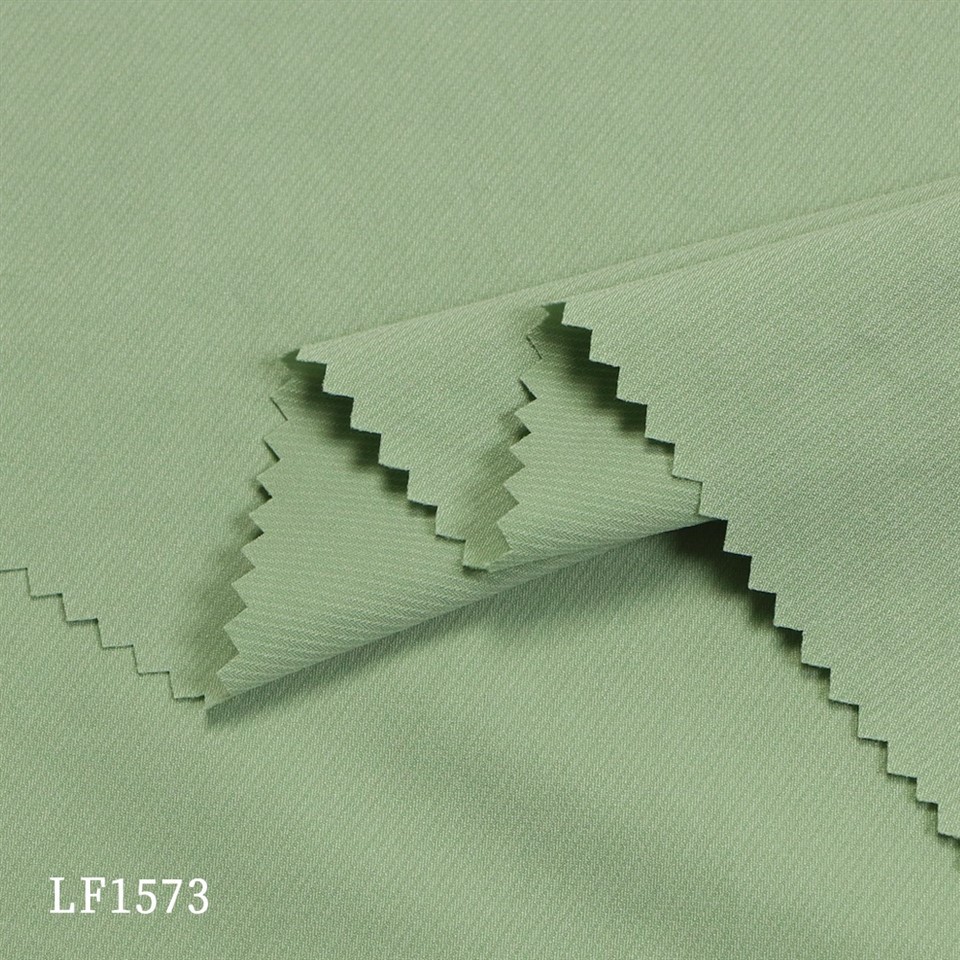
In conclusion, the 3:1 twill weave is a highly versatile fabric that responds in unique and beautiful ways to different lighting conditions. Whether it’s the warm glow of natural sunlight, the cozy ambiance of incandescent lighting, the sharp definition of fluorescent lighting, or the customizable options of LED lighting, each light source brings out different aspects of the fabric’s character.
2 1 Twill Weave As a supplier of 3:1 twill weave, I’m always eager to share my knowledge and expertise with customers. If you’re interested in learning more about our 3:1 twill products or have specific requirements for your project, I encourage you to reach out to discuss your needs. We can provide you with samples, answer your questions, and help you find the perfect 3:1 twill weave for your application. Let’s work together to bring your creative visions to life with the beauty and versatility of 3:1 twill weave.
References
- Textile Institute. (20XX). Textile Science and Technology.
- Color Association of the United States. (20XX). Lighting and Color Perception in Textiles.
- International Association of Lighting Designers. (20XX). Lighting Design for Interior Spaces.
Shaoxing Huichao Textile Co., Ltd.
As one of the most professional 3 1 twill weave manufacturers and suppliers in China, we offer a wide range of products with superior quality. We warmly welcome you to wholesale bulk 3 1 twill weave in stock here from our factory. If you have any enquiry about cooperation, please feel free to email us.
Address: Shenyue International Build ing, Unit 1603-1605, Keqiao District, Shaoxing City, Zhejiang Province, China
E-mail: darrenzhong@huichaotextile.com
WebSite: https://www.huichaotextile.com/
