Hey there! As a supplier of 5 Axis Machining Centers, I often get asked about the stiffness of the machine structure. It’s a crucial factor that can significantly impact the performance and quality of machining operations. So, let’s dive right in and explore what exactly the stiffness of the machine structure in a 5 Axis Machining Center means and why it matters. 5 Axis Machining Center

What is Stiffness in a 5 Axis Machining Center?
Stiffness, in simple terms, refers to the ability of a machine structure to resist deformation under the action of external forces. In the context of a 5 Axis Machining Center, these forces can come from various sources, such as cutting forces during machining, the weight of the workpiece and tooling, and even vibrations generated by the machine itself.
A stiff machine structure is like a rock – it stays firmly in place and doesn’t easily bend or flex when these forces are applied. This is super important because any deformation can lead to errors in machining, affecting the accuracy and surface finish of the workpiece.
Why is Stiffness Important?
Accuracy
One of the main reasons stiffness is crucial in a 5 Axis Machining Center is accuracy. When you’re machining complex parts with tight tolerances, even the slightest deformation can cause the tool to deviate from its intended path. This can result in parts that don’t meet the required specifications, leading to wasted time and materials.
For example, if you’re machining a high – precision aerospace component, a lack of stiffness could cause the tool to move slightly during cutting, resulting in dimensional errors. These errors might be small, but they can have a big impact on the performance of the final product.
Surface Finish
Stiffness also plays a vital role in achieving a good surface finish. When the machine structure is stiff, it can better absorb and dampen the vibrations generated during machining. Vibrations can cause chatter marks on the workpiece surface, which not only look bad but also affect the functionality of the part.
Think about it – if you’re machining a part that needs a smooth surface, like a mold for plastic injection molding, vibrations caused by a lack of stiffness can leave behind an uneven finish. This can lead to issues with the ejection of the plastic part from the mold and can affect the overall quality of the final product.
Tool Life
A stiff machine structure can also extend the life of your cutting tools. When the machine is prone to deformation, the cutting tools have to work harder to cut through the material. This increased stress on the tools can cause them to wear out more quickly, leading to increased tooling costs and more frequent tool changes.
By having a stiff machine structure, the cutting forces are more evenly distributed, reducing the stress on the tools and allowing them to last longer. This not only saves you money on tooling but also reduces the downtime associated with tool changes.
Factors Affecting the Stiffness of a 5 Axis Machining Center
Machine Structure Design
The design of the machine structure is one of the most important factors affecting stiffness. A well – designed 5 Axis Machining Center will have a rigid framework that can effectively resist deformation. This often involves using robust materials and a clever layout of the components.
For example, many modern 5 Axis Machining Centers use a box – in – box or gantry design, which provides high rigidity and stability. These designs help to distribute the cutting forces evenly throughout the machine structure, reducing the risk of deformation.
Material Selection
The materials used in the construction of the machine structure also play a significant role in its stiffness. High – strength materials, such as cast iron and steel, are commonly used because they have excellent stiffness properties.
Cast iron, for instance, is known for its high damping capacity, which means it can absorb and dissipate vibrations effectively. Steel, on the other hand, is strong and has good stiffness – to – weight ratio. By carefully selecting the right materials, manufacturers can ensure that their 5 Axis Machining Centers have the necessary stiffness for precision machining.
Assembly and Alignment
Even if a machine has a great design and high – quality materials, poor assembly and alignment can still compromise its stiffness. During the assembly process, it’s crucial to ensure that all the components are properly aligned and tightened. Any misalignment can create weak points in the machine structure, leading to increased deformation under load.
For example, if the linear guides or ball screws are not aligned correctly, the machine may experience increased friction and vibration, which can affect its stiffness and accuracy. So, proper assembly and alignment are essential for maintaining the stiffness of a 5 Axis Machining Center.
Measuring Stiffness
There are several ways to measure the stiffness of a 5 Axis Machining Center. One common method is to use a dynamometer to measure the cutting forces during machining and then analyze the machine’s response to these forces. By measuring how much the machine structure deforms under load, engineers can determine its stiffness.
Another approach is to use vibration testing. By exciting the machine with a known input, such as a hammer blow, and measuring the resulting vibrations, engineers can analyze the machine’s natural frequencies and damping characteristics. A machine with high stiffness will typically have higher natural frequencies and better damping, which means it can resist vibrations more effectively.
Our 5 Axis Machining Centers and Stiffness
At our company, we understand the importance of stiffness in a 5 Axis Machining Center. That’s why we’ve invested a lot of time and effort in designing and manufacturing machines with exceptional stiffness.
Our machines feature a robust box – in – box design, which provides excellent rigidity and stability. We use high – quality cast iron and steel in the construction of our machine structures, ensuring that they can withstand the high cutting forces and vibrations associated with 5 Axis machining.
During the assembly process, we follow strict quality control procedures to ensure that all the components are properly aligned and tightened. This helps to maintain the stiffness of our machines and ensures that they can deliver accurate and high – quality machining results.
Conclusion
In conclusion, the stiffness of the machine structure in a 5 Axis Machining Center is a critical factor that can significantly impact its performance and the quality of the machined parts. A stiff machine structure ensures accuracy, good surface finish, and longer tool life. By considering factors such as machine design, material selection, and assembly, manufacturers can create 5 Axis Machining Centers that offer exceptional stiffness.
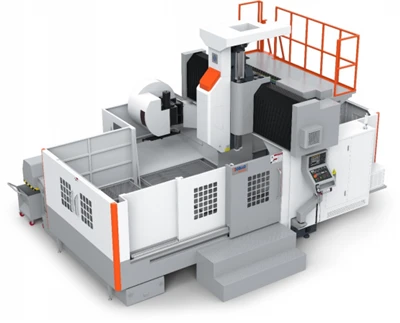
If you’re in the market for a 5 Axis Machining Center, don’t overlook the importance of stiffness. Our machines are designed with stiffness in mind, and we’re confident that they can meet your machining needs. Whether you’re a small – scale job shop or a large – scale manufacturer, our 5 Axis Machining Centers can help you achieve the precision and quality you’re looking for.
Gantry Machining Center If you have any questions or are interested in learning more about our 5 Axis Machining Centers, feel free to contact us. We’d be more than happy to discuss your requirements and help you find the right machine for your business.
References
- Smith, J. (2020). "Advanced Machining Technologies". Springer.
- Jones, R. (2019). "Machine Tool Design and Operation". McGraw – Hill.
Taizhou Qiyang Trading Co., Ltd.
As one of the most professional 5 axis machining center manufacturers and suppliers in China, we’re featured by quality products and good price. Please rest assured to buy bulk 5 axis machining center for sale here and get quotation from our factory. Customized orders are welcome.
Address: Zhenhai Village, Binhai Town, Wenling City, Taizhou City, Zhejiang Province
E-mail: qycncmachine@outlook.com
WebSite: https://www.qycncmachine.com/
