As a supplier of casual socks, I’ve spent countless hours delving into the world of sock textures. The texture of casual socks is a multifaceted aspect that combines comfort, style, and functionality. It’s not just about how a sock feels against the skin; it’s also about the material’s ability to hold up over time, its breathable properties, and even its impact on fashion. Casual Socks
Material – The Foundation of Texture
The texture of casual socks largely depends on the materials used in their production. The most common materials include cotton, wool, synthetic fibers, and blends of these substances.
Cotton is one of the most popular materials for casual socks due to its softness and breathability. Cotton fibers have a natural, smooth texture that feels gentle against the skin. It absorbs moisture, keeping the feet dry and comfortable, which is essential for everyday wear. Socks made from 100% cotton tend to have a slightly looser texture, which allows for better air circulation. However, pure cotton socks may not be as durable and can stretch out over time.
On the other hand, wool is another excellent choice, especially for colder seasons. Wool fibers have a unique crimped structure, which gives wool socks a more plush and warm texture. This crimp also allows wool to trap air, providing natural insulation. Merino wool, in particular, is highly regarded for its softness, as it has finer fibers compared to traditional wool. It’s also moisture – wicking, meaning it can draw sweat away from the skin, keeping feet dry even when they’re active. The texture of merino wool socks is often described as luxurious and cozy, making them a great option for both casual and outdoor activities.
Synthetic fibers such as polyester, nylon, and spandex are also commonly used in casual sock production. Polyester is known for its durability and resistance to wrinkles. Socks with polyester have a smooth, almost slick texture. It doesn’t absorb moisture as well as natural fibers but can be combined with other materials to enhance the sock’s performance. Nylon adds strength and elasticity to socks. It gives the socks a firm, yet flexible texture that helps them maintain their shape. Spandex, or elastane, is used to add stretch to the socks. Even a small percentage of spandex can make a significant difference in the texture, allowing the socks to fit snugly around the foot without feeling too tight.
Blended socks, which combine the best properties of different materials, are becoming increasingly popular. For example, a blend of cotton and spandex offers the softness of cotton with the stretch and shape – retention of spandex. These socks have a comfortable, form – fitting texture that is suitable for a wide range of activities. A blend of wool and synthetic fibers can provide the warmth and moisture – wicking of wool along with the durability and quick – drying properties of synthetic materials.
Weave – Shaping the Texture
The way the sock is woven also plays a crucial role in determining its texture. There are several common weaving methods, each with its own unique characteristics.
The plain weave is the simplest and most common method. In a plain weave, the yarns are interlaced in a simple over – and – under pattern. Socks with a plain weave have a smooth, even texture. This makes them suitable for everyday wear, as the smooth surface doesn’t create friction against the skin. Plain – weave socks are often lightweight and breathable, making them ideal for warm weather.
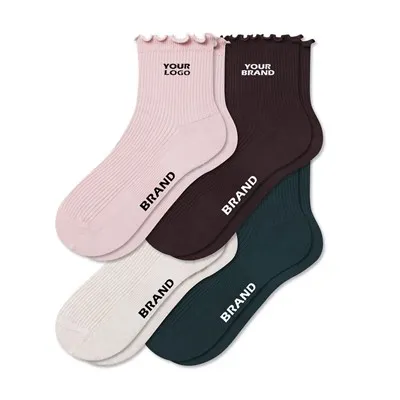
The ribbed weave is another popular choice. Ribs are created by alternating columns of stitches. This gives the sock a textured, stretchy appearance. Ribbed socks have a more structured feel, and the ribs can help the sock stay in place on the foot. The vertical ribs also add a bit of elasticity to the sock, which can be beneficial for those who need a snug fit. Ribbed socks are commonly used in athletic and casual settings.
The jacquard weave is a more complex method that allows for intricate patterns to be woven into the sock. Socks with a jacquard weave can have a raised, textured surface due to the pattern. This adds visual interest as well as a unique tactile experience. Jacquard – woven socks are often used for dressier casual occasions, as they can add a touch of style and sophistication.
Impact of Texture on Comfort and Functionality
The texture of casual socks has a direct impact on their comfort and functionality. A soft, smooth texture is essential for preventing blisters and irritation. Socks with rough or uneven textures can rub against the skin, causing discomfort and even injury, especially during long periods of wear or physical activity.
In terms of functionality, the texture can affect how well the socks perform in different situations. For example, a sock with a more absorbent texture, like those made from cotton or merino wool, is better at wicking away sweat and keeping feet dry. This is important for preventing foot odor and fungal infections. On the other hand, socks with a more structured texture, such as ribbed or jacquard – woven socks, can provide support to the foot. They can help reduce fatigue during activities like walking or running by keeping the foot in place and providing gentle compression.
Texture and Style
Texture also plays a significant role in the style of casual socks. Different textures can convey different moods and aesthetics. Smooth – textured socks give a clean, minimalist look that is suitable for more formal casual settings. They can be paired with loafers or dress shoes for a polished appearance.
On the contrary, textured socks, such as those with a ribbed or jacquard weave, add a touch of personality and visual interest. They can be a focal point of an outfit, especially when they feature bold colors or patterns. Patterned and textured socks are a popular choice for more casual, trendy looks, and can be paired with sneakers or casual boots to make a fashion statement.
Why Choose Our Casual Socks?
As a supplier, we understand the importance of texture in casual socks. We source the highest – quality materials, whether it’s premium cotton, soft merino wool, or high – performance synthetic fibers. Our team of skilled artisans uses the latest weaving techniques to create socks with a wide range of textures to meet the diverse needs of our customers.
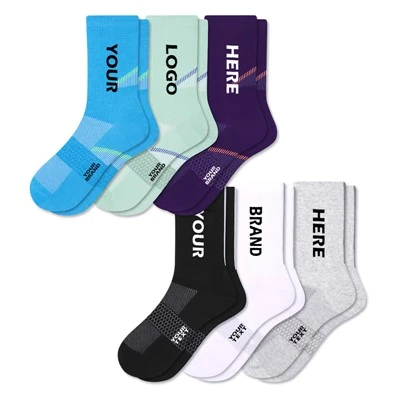
We offer smooth – textured socks for those who prefer a classic, minimalist look, as well as ribbed and jacquard – woven socks for a more stylish and contemporary feel. Our socks are designed to provide maximum comfort, functionality, and durability. Whether for everyday wear, sports, or special occasions, our casual socks are the perfect choice.
Sock Gift Set If you’re in the business of stocking high – quality casual socks or looking to upgrade your current collection, we invite you to contact us for a采购洽谈. We are eager to share our expertise and explore how our casual socks can meet your requirements.
References
- Clulow, W. A. (2000). Socks and hosiery technology. Woodhead Publishing.
- Fang, W. (Ed.). (2016). Advanced textile materials for footwear. Woodhead Publishing.
- Horrocks, A. R., & Anand, S. C. (Eds.). (2000). Handbook of technical textiles. Woodhead Publishing.
Zhuji Fuchun Knitting Co., Ltd.
As one of the most professional casual socks manufacturers and suppliers in China, we offer a wide range of products with superior quality. Please feel free to wholesale bulk high quality casual socks made in China here from our factory.
Address: Building 6, No. 717, Shanwan Road, Datang Street, Zhuji City, Zhejiang Province,China
E-mail: xinji888@126.com
WebSite: https://www.fuchunsocks.com/
