Hey there! I’m a supplier of valve balls, and today I wanna chat about something super important: the shock resistance of valve balls. Valve Balls
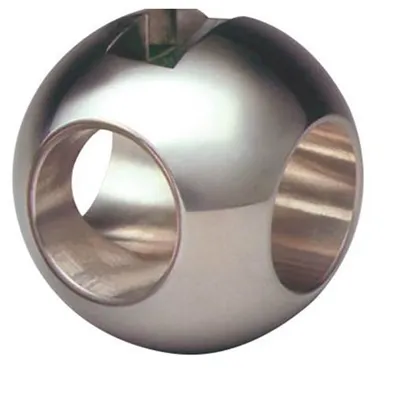
So, what exactly is shock resistance when it comes to valve balls? Well, shock resistance refers to a valve ball’s ability to withstand sudden impacts or forces without getting damaged. In a lot of industrial settings, valve balls are constantly exposed to all sorts of shocks. These can come from things like sudden changes in fluid pressure, mechanical vibrations, or even accidental bumps during installation or maintenance.
Let’s dig into why shock resistance matters so much. First off, in the oil and gas industry, valve balls are used in pipelines that transport all kinds of fluids under high pressure. When there’s a sudden change in the flow rate or pressure, it creates a shockwave. If the valve ball doesn’t have good shock resistance, it can crack or break. This not only leads to leaks, which can be a huge safety hazard, but it also means costly repairs and downtime.
In the chemical industry, valve balls are used to control the flow of corrosive chemicals. A shock that damages the valve ball can cause the chemical to leak out, posing risks to the environment and the health of workers. And in the power generation sector, whether it’s a nuclear, coal – fired, or hydroelectric plant, valve balls play a crucial role in regulating the flow of steam, water, or other working fluids. A valve ball that can’t handle shocks can disrupt the entire power generation process.
Now, let’s talk about the factors that affect the shock resistance of valve balls.
Material is a biggie. Different materials have different levels of shock resistance. For example, stainless steel is a popular choice for valve balls because it’s strong and corrosion – resistant. But within the realm of stainless steel, there are different grades. Higher – grade stainless steels generally have better shock – absorbing properties. They’re able to flex a bit when shocked and then return to their original shape without breaking.
Ceramic valve balls are another option. Ceramics are extremely hard and have high wear resistance. However, they’re also brittle. So, while they can handle a lot of pressure, a sudden shock might cause them to shatter. On the other hand, tungsten carbide valve balls are known for their incredible hardness and toughness. They can take a lot of punishment in terms of shock and are often used in high – stress applications.
The manufacturing process also plays a huge role in a valve ball’s shock resistance. Precision machining is key. If the valve ball isn’t machined to the right specifications, it can have weak spots. These weak spots are more likely to crack or break when exposed to shocks. Heat treatment is another important step. Proper heat treatment can improve the material’s internal structure, making it more resistant to shock.
Surface finish matters too. A smooth surface finish on a valve ball not only helps with its sealing performance but also its shock resistance. A rough surface can act as a stress concentrator, which means the stress from a shock is concentrated in certain areas, increasing the likelihood of cracking.
As a valve ball supplier, I always make sure that the valve balls I offer have top – notch shock resistance. We test our valve balls rigorously. We simulate real – world shock conditions in our testing facilities. We measure how much force the valve balls can withstand before they start to show signs of damage.
We also work closely with our customers to understand their specific needs. If a customer is in an industry where valve balls are exposed to high – frequency shocks, like in a high – speed pumping system, we’ll recommend valve balls made from materials and manufacturing processes that are best suited for that kind of environment.
If you’re in the market for valve balls, you need to think about shock resistance as a top priority. It’ll save you money in the long run by reducing the need for frequent replacements and repairs. And it’ll also keep your operations running smoothly and safely.
I know choosing the right valve balls can be a bit overwhelming, especially when there are so many factors to consider. But don’t worry! That’s where I come in. I’ve got the experience and the knowledge to help you pick the valve balls that are perfect for your needs. Whether you’re in a small – scale manufacturing plant or a large – scale industrial complex, I can provide you with high – quality valve balls that have excellent shock resistance.
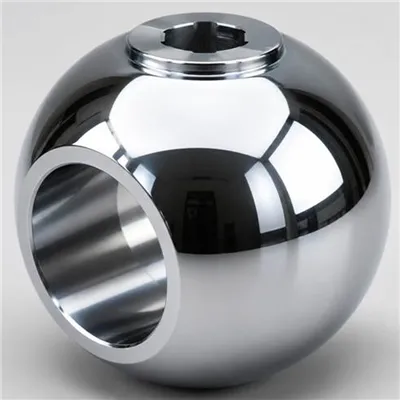
So, if you’re interested in learning more about how our valve balls can meet your specific shock – resistance requirements, don’t hesitate to reach out. We can have a chat, figure out your needs, and come up with the best solution for you. Let’s work together to make sure your valve systems are reliable and efficient.
By Seal Type References:
- "Industrial Valve Handbook" by J. S. Pipelines
- "Materials Science for Engineers" textbook
Zhejiang Jigong Valve Co., Ltd.
Zhejiang Jigong Valve Co., Ltd. is one of the most professional valve balls manufacturers and suppliers in China, also supports customized service with low price. Please feel free to wholesale durable valve balls made in China here from our factory. For quotation, contact us now.
Address: Dongou Industrial Park, Oubei Subdistrict, Yongjia County, Wenzhou City, Zhejiang Province (within Zhejiang Yinhe Machinery Manufacturing Co., Ltd.)
E-mail: Sales@cnzjsk.com.cn
WebSite: https://www.ball-china.com/
