Calibrating the sensor of a touchless trash can is a crucial process that ensures its optimal performance. As a supplier of touchless trash cans, I understand the importance of providing high – quality products that function flawlessly. In this blog, I will share with you how to calibrate the sensor of a touchless trash can effectively. Touchless Trash Can
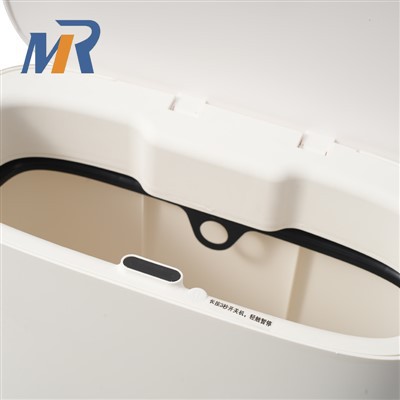
Understanding the Sensor Technology in Touchless Trash Cans
Before delving into the calibration process, it’s essential to understand the sensor technology used in touchless trash cans. Most touchless trash cans are equipped with infrared sensors. These sensors work by emitting infrared light. When an object, such as a hand, interrupts the infrared beam, the sensor detects the change in the light pattern and sends a signal to the motor that opens the lid of the trash can.
There are also ultrasonic sensors used in some advanced models. Ultrasonic sensors emit high – frequency sound waves and measure the time it takes for the waves to bounce back from an object. This information is then used to determine the presence of an object near the trash can and trigger the lid to open.
Reasons for Sensor Calibration
Over time, the sensor of a touchless trash can may need calibration. There are several reasons for this. Firstly, environmental factors can affect the sensor’s performance. For example, dust, dirt, or moisture can accumulate on the sensor, causing it to misinterpret signals. Secondly, changes in the surrounding light conditions can also impact the sensor. Bright sunlight or strong artificial light can interfere with the infrared or ultrasonic signals, leading to inaccurate readings.
Another reason is physical damage. If the trash can is dropped or bumped, the sensor may be misaligned, resulting in improper operation. Calibrating the sensor can help correct these issues and restore the trash can’s normal functionality.
Pre – calibration Checks
Before starting the calibration process, it’s important to perform some pre – calibration checks. First, clean the sensor. Use a soft, dry cloth to gently wipe the sensor surface. Make sure to remove any dust, dirt, or fingerprints. This will ensure that the sensor can accurately detect objects without interference.
Next, check the power supply. Ensure that the trash can is properly connected to a power source or that the batteries are fully charged. A low – power situation can cause the sensor to malfunction.
Also, examine the surrounding environment. Make sure there are no objects too close to the sensor that could cause false detections. For example, if there are items hanging above the trash can or placed very close to the sensor area, it may interfere with the sensor’s operation.
Calibration Steps for Infrared Sensors
- Initial Setup: Place the touchless trash can in an area with stable lighting conditions. Avoid direct sunlight or strong artificial light sources shining directly on the sensor.
- Enter Calibration Mode: Most touchless trash cans have a specific way to enter the calibration mode. This could be through a button on the control panel or a combination of buttons. Refer to the user manual for your specific model to find out how to enter the calibration mode.
- Set the Detection Range: Once in the calibration mode, you can adjust the detection range of the infrared sensor. This is usually done by using the up and down buttons on the control panel. Start with a medium detection range. You can test the sensor by moving your hand in front of the trash can at different distances. If the lid doesn’t open or closes too soon, you may need to adjust the detection range accordingly.
- Fine – tuning: Make small adjustments to the detection range until the sensor accurately detects your hand at a reasonable distance. Usually, a distance of about 6 – 10 inches is ideal for most users.
- Save the Settings: After you are satisfied with the calibration, save the settings. This is typically done by pressing a "save" or "confirm" button on the control panel.
Calibration Steps for Ultrasonic Sensors
- Prepare the Environment: Similar to infrared sensors, place the trash can in a stable environment with minimal interference. Remove any objects that could reflect the ultrasonic waves and cause false detections.
- Access the Calibration Menu: Use the buttons on the control panel to access the calibration menu. The process may vary depending on the model of your touchless trash can.
- Adjust the Sensitivity: Ultrasonic sensors have a sensitivity setting. You can adjust this setting to make the sensor more or less sensitive. Start with a medium sensitivity level. Test the sensor by moving your hand in front of the trash can. If the lid doesn’t open or opens too easily, adjust the sensitivity accordingly.
- Calibrate the Distance: You can also calibrate the distance at which the sensor detects objects. Use the control panel buttons to set the desired detection distance. Test the sensor at different distances to ensure accurate operation.
- Finalize the Calibration: Once you are satisfied with the calibration, save the settings in the calibration menu.
Troubleshooting During Calibration
During the calibration process, you may encounter some problems. If the sensor doesn’t respond at all, first check the power supply. Make sure the batteries are properly installed or the power cord is connected. If the problem persists, there may be a hardware issue, and you may need to contact the manufacturer for further assistance.
If the sensor detects objects when there are none, it could be due to environmental interference. Try moving the trash can to a different location or shielding the sensor from bright light sources.
If the lid doesn’t open or close smoothly after calibration, check the motor and the mechanical components of the trash can. There may be a blockage or a problem with the motor’s connection.
Importance of Regular Calibration
Regular calibration of the sensor in a touchless trash can is essential for maintaining its performance. It ensures that the trash can opens and closes accurately, providing a convenient and hygienic experience for users. A well – calibrated sensor also reduces the risk of false detections, which can be annoying and waste energy.
By calibrating the sensor regularly, you can extend the lifespan of the touchless trash can. It helps prevent premature wear and tear on the motor and other components, as the lid is opened and closed properly without excessive force.
Conclusion

Calibrating the sensor of a touchless trash can is a relatively simple process that can significantly improve its performance. As a supplier of touchless trash cans, I encourage users to follow the calibration steps carefully to ensure the best functionality of their products.
Drain Blaster If you are interested in purchasing high – quality touchless trash cans or have any questions about sensor calibration, feel free to contact us. We are committed to providing excellent products and services to meet your needs.
References
- Manufacturer’s user manuals for touchless trash cans
- Technical documents on infrared and ultrasonic sensor technology
Zhejiang Meare Smart Tech Co., Limited
Zhejiang Meare Smart Tech Co., Limited is one of the most experienced touchless trash can manufacturers and suppliers in China, also supports customized service. Please feel free to wholesale durable touchless trash can in stock here from our factory. Contact us for pricelist.
Address: No.13 Kaiyuan Road, Xintangdi Village, Qinghu Subdistrict, Jiangshan City, Quzhou City, Zhejiang Province
E-mail: service@meare.cn
WebSite: https://www.mearesmart.com/
