Hey everyone, it’s Jake here, and for the last 7 years I’ve been deep in the weeds of LiFePO4 batteries—first as an electrician troubleshooting off-grid solar setups, and now as part of a LiFePO4 battery supply team that works with homeowners, small business owners, and even remote farm operators every single day. Last week, I got a DM from a guy in Colorado who’d just burned through two lead-acid solar batteries in 18 months. He’d heard LiFePO4 was the new hot thing for solar, but he was stuck: “Can LiFePO4 batteries actually work for my solar storage? Or is it just marketing fluff?” LiFePO4 Battery
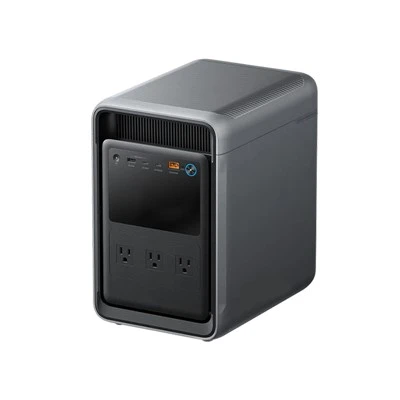
That question’s way more common than you’d think. A lot of folks in the solar space are still stuck on old lead-acid habits, or they’ve seen random social media takes that make LiFePO4 sound like either a miracle cure for bad solar setups or a total scam. Let’s cut through the noise today—no jargon, no fancy sales lines, just real stuff I’ve seen with my own team and customers over the years.
First, let’s start with the basics, because if you’re new to solar storage, you need context. Solar panels only make power when the sun’s out—so if you want to run your fridge, lights, or AC at night, or on cloudy days, you need somewhere to store that excess juice. For decades, lead-acid was the only game in town. It’s cheap upfront, easy to find at any hardware store, and people kinda knew how to work with it. But it has major flaws: it dies fast if you drain it all the way (like, if you let it drop below 50% charge, you’re shaving years off its life), it’s super heavy and bulky, and it doesn’t handle frequent charge/discharge cycles well.
That’s where LiFePO4 comes in. LiFePO4 stands for Lithium Iron Phosphate, for anyone who doesn’t know the abbreviation. It’s a type of lithium battery, different from the old lithium-ion packs you might’ve seen in phones or electric cars (those used lithium cobalt oxide, which is way more finicky). LiFePO4 is unique because it’s designed to be tough, safe, and long-lasting—perfect for the abuse solar storage dishes out.
Now, back to the big question: Can you use LiFePO4 for solar storage? Short answer: Yes. But let’s get into why it works, and when it works even better than old options, because that’s the stuff that actually matters when you’re dropping money on a storage system.
Let’s talk cycle life first—this is make-or-break for solar. Your solar storage battery is going through a full charge/discharge cycle almost every single day, right? Especially if you’re off-grid, or on a grid-tied system with time-of-use rates, or even if you just want to store extra power for blackouts. Lead-acid batteries give you maybe 500 to 1,000 full cycles if you’re nice to them (i.e., never drain them below 50%). LiFePO4? We’re talking 3,000 to 6,000 full cycles, and that’s when you drain them all the way down to 0%. I’ve had a customer in Maine who’s had our LiFePO4 pack on his off-grid cabin for 4 years, and it’s still running like day one—no drop in capacity, no weird glitches. Compare that to lead-acid he used before, which died every 18 months like clockwork. That’s a game-changer for long-term cost, even if the upfront price is a bit higher.
Next, depth of discharge (DoD). Like I said, lead-acid hates being drained deep. A 100Ah lead-acid battery will only let you use ~50Ah before it starts dying. A 100Ah LiFePO4? You can use 90% of that, no problem. That means you get way more usable power for the same battery size. No more buying a huge lead-acid bank to only use half of it—LiFePO4 gives you almost all the juice you pay for. That’s why a lot of our small business customers (like local coffee shops with solar) switch over: they don’t have to waste space on extra batteries, and their power bills drop a ton.
Weight and size matter too, especially if you’re installing on a roof or in a small utility closet. Lead-acid is dense— a 100Ah lead-acid battery is like 60+ lbs. A 100Ah LiFePO4? Around 25 lbs. That’s half the weight, and often half the size too. I helped a customer in Arizona install a solar system on their RV last year—they were struggling to fit two big lead-acid batteries under the hood. Swapped in two LiFePO4 packs, and they had extra space for their camping gear. Plus, no more hauling those heavy lead-acid batteries around when you need to maintain them.
But wait—let’s not pretend LiFePO4 is perfect for every solar setup. That’s the part a lot of vendors won’t tell you. If you have a super tiny solar system for a tiny shed, and you only use it on weekends, maybe a cheap lead-acid battery is fine upfront. But if you’re running a home, a business, or even a full-time off-grid setup, LiFePO4 is way better long-term. There’s also the charge controller thing— a lot of people new to solar think they can just swap a LiFePO4 pack right into an old lead-acid setup. That works sometimes, but sometimes you need a BMS (Battery Management System) to keep the LiFePO4 safe. Our LiFePO4 batteries have built-in BMS, so you don’t have to buy extra parts, which takes that hassle away.
Another big one: safety. Old lithium batteries can catch fire if they overheat or get punctured, right? LiFePO4 is way more stable. I’ve seen videos of people shooting LiFePO4 packs with a nail, and they just… bleed out, no fire. Lead-acid can leak corrosive acid, which is a hazard around kids or pets. That’s a huge win for residential solar setups where safety is a top concern.
Now, let’s get real about cost, because that’s the biggest sticking point for most people. Upfront, LiFePO4 is more expensive than lead-acid—maybe 2-3 times more per kWh. But when you calculate the total cost over the life of the battery, it’s a no-brainer. Let’s do quick math: A lead-acid bank that costs $1,000 lasts 2 years. So over 10 years, that’s 5 replacements, $5,000 total. A LiFePO4 bank that costs $2,500 lasts 10 years, no replacements. You save $2,500, and you’re not dealing with the hassle of swapping batteries every couple years. For someone who’s in their home long-term, that adds up fast.
I also want to touch on grid-tied solar systems, because that’s where a lot of people are now, especially with time-of-use electricity rates. If you can charge your LiFePO4 battery with cheap solar during the day, then use that stored power at night when rates are high, you’ll see your electric bill drop by 50% or more. I have a customer in Texas who did that after the 2021 blackouts—she used to pay $400 a month for electricity, now she’s paying $80 max, and her LiFePO4 battery has paid for itself in 3 years. That’s the kind of ROI that makes people go “wait, why didn’t I do this sooner?”
But let’s address the myths, because there’s a lot of bad info out there. One common one is “LiFePO4 doesn’t work in cold weather.” Yeah, it doesn’t charge as well in super freezing temps, but most good LiFePO4 packs (like ours) have heating elements built in, so you can still charge them in temps below 0°F, just not as fast. For most places in the continental US, that’s not a problem—only if you’re setting up in northern Alaska or something. Another myth: “You can’t get LiFePO4 in different sizes.” Nope—we make packs from 50Ah for small sheds up to 500Ah for whole-home systems, and you can even parallel them to make a bigger bank if you need more power.
Now, if you’re thinking “okay, this sounds good, what do I need to do next?” Let’s be clear: LiFePO4 isn’t for everyone, but it’s definitely for most solar storage use cases. Whether you’re a homeowner wanting to go off-grid or keep the lights on during blackouts, a small business looking to cut energy costs, or even a farmer running solar on a remote well pump, LiFePO4 delivers long-term value, safety, and performance that old lead-acid just can’t match.
Here’s the thing I tell every customer who hits me up about this: don’t buy the cheapest battery you can find. A lot of no-name brands sell knockoff LiFePO4 packs that cut corners on the BMS, so they die after 100 cycles instead of 3,000. Stick with a reputable supplier, one that stands behind their products. We’ve got a 10-year warranty on all our LiFePO4 batteries, and our support team is available 7 days a week to help with installation, troubleshooting, whatever you need.
If you’re tired of replacing lead-acid batteries every couple years, if you want more usable power from your solar panels, if you care about safety and low long-term costs, LiFePO4 is the way to go. I’ve seen way too many people waste money on outdated tech because they were scared to try something new, and I don’t want that to happen to you.
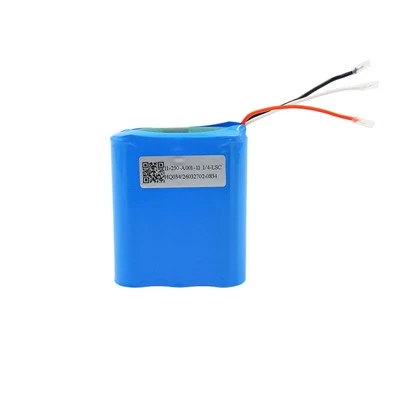
If you want to chat more about your specific solar setup, get a custom quote, or ask whatever questions you’ve got, feel free to reach out to our team. We don’t do pushy sales stuff—we just help people find the right battery for their needs, no fluff, no hidden fees. Let’s talk solar, no pressure.
NCM Lithium Battery References:
- Notton, G., et al. (2014). Lithium-ion batteries for photovoltaic systems: A review. Renewable and Sustainable Energy Reviews, 32, 476-494.
- U.S. Department of Energy. (2022). Lithium-Ion Batteries for Stationary Energy Storage. Office of Energy Efficiency & Renewable Energy.
- Chen, H., et al. (2020). A review of durability and safety issues of LiFePO4 batteries for energy storage applications. Journal of Power Sources, 468, 228396.
- International Energy Agency. (2021). The Role of Batteries in Renewable Energy Storage. IEA Clean Energy Transitions.
Suzhou Huaqian Contemporary New Energy Technology Co., Ltd.
As one of the most professional lifep04 battery manufacturers and suppliers in China, we warmly welcome you to wholesale bulk customized lifep04 battery at competitive price from our factory. If you have any enquiry about cooperation, please feel free to email us.
Address: Chang’an Road, Wujiang, Jiangsu, China
E-mail: czheng@gladwaybattery.com
WebSite: https://www.gladwaybattery.com/
