If you’ve ever shopped for stainless steel abrasive media, you’ve probably stumbled across two common terms: angular cut wire and rounded cut wire. As someone who’s spent the last eight years working in this space—answering calls from construction crews, automotive paint shops, and aerospace technicians who need the right abrasive for their jobs—I can tell you this: these two products are not just different in shape. They’re designed for distinct jobs, and picking the wrong one can mean wasted time, extra cost, or even a surface finish that doesn’t meet your specs. Today, I want to break down exactly what sets them apart, share what I’ve learned from decades of customers, and help you figure out which is right for your next project. Stainless Steel Abrasive Media
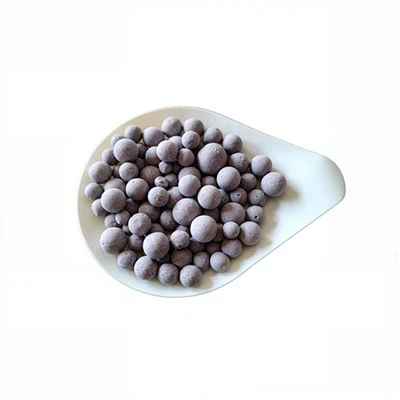
Let’s start with the basics, because the shape comes down to how each wire is manufactured. Stainless steel angular cut wire is made from solid, cold-drawn stainless steel wire, right? The process is straightforward: we take a large spool of high-grade stainless steel wire (usually 304 or 316 grade, the two most common for abrasive use), feed it into a precision cutter that slices the wire into short, uniform lengths—usually between 0.5mm and 5mm, depending on the grit. The key here is that those cut ends are sharp, angular, like tiny little metal chisels. No rounding, no polishing, just clean, straight cuts with sharp edges intact. That sharpness is intentional.
Rounded cut wire, on the other hand, starts with the same kind of cold-drawn wire, but after cutting, it goes through a tumbling or shot-peening process, or sometimes a thermal treatment to soften the sharp edges. Over time, the constant collision between the tiny wire pieces and the equipment in the tumbler wears down those sharp corners, turning them into smooth, rounded edges. Think of a rock you’d find at the bottom of a river—once sharp, it’s now smooth from being tumbled against other rocks. That’s exactly what happens here.
Now, let’s get into how these shapes perform, because that’s where most of my customers get tripped up. The biggest difference is cutting power. Angular cut wire has that sharp, chiseled edge that digs into surfaces, right? I had a customer last year who runs a shipyard in the Gulf Coast—they were removing old marine paint and rust from steel hulls. He tried rounded cut wire first, thinking it would be gentler, and he called me a week later, frustrated. “It’s taking twice as long to strip the hull,” he said. “I’m running the blast cabinet 12 hours a day instead of 6.” That’s the thing: angular cut wire is far more aggressive than rounded cut wire. Those sharp edges are perfect for heavy material removal—thick rust layers, old epoxy paint, mill scale on new steel, even tough weld slag. Because each little angular bit is doing more work per impact, you get faster, more material removed per blast cycle. That translates to higher productivity.
But productivity isn’t everything, right? The rounded cut wire shines when you care about the finish, not just the speed. Let’s take automotive refinishing, for example. I have a regular customer who works on classic cars, and he uses rounded cut wire every time he strips a body panel before repainting. He told me: “If I use angular cut, I get deep, tiny gouges in the metal that I have to fill with body filler. Rounded cut leaves a smooth, uniform surface that takes less filler and gives a flawless paint job.” That’s another key point: angular cut leaves tiny, directional scratches from those sharp edges, which can be a problem if you’re prepping a surface for painting or coating. Those scratches can cause the finish to adhere unevenly, or show through the new paint, especially if it’s a clear coat. Rounded cut, with its smooth edges, leaves a much finer, more uniform surface—no deep scratches, just a light etch that’s perfect for coating adhesion.
There’s another big difference in wear and tear on your equipment. Angular cut wire, with those sharp edges, is more abrasive on blast cabinets, hoses, and nozzles. The sharp bits can nick rubber hoses, wear down nozzle liners faster, and even cause more wear on the impeller blades in wheel blast machines. I’ve seen customers who used angular cut have to replace their nozzles every 200 hours of operation, while those using rounded cut go 500 hours or more between nozzle replacements. That’s a huge cost saver over time, especially for high-volume operations.
Then there’s the matter of media consumption and lifespan. Because angular cut wire is more aggressive, does more work per piece, does it last longer? Not exactly, actually. Wait, let me explain. Both are made from stainless steel, so they’re durable, and they can be recycled multiple times before they wear down too much. But angular cut wire, because of those sharp edges, tends to break down faster. As you blast, the sharp edges chip or wear off, turning the angular pieces into more rounded bits as they’re reused. Rounded cut wire, though, with no sharp edges to chip, maintains its shape longer, so it can be recycled more times. I have a customer who uses rounded cut for his aerospace parts—he recycles it up to 12 times, while another customer using angular cut only gets 7 or 8 recycles out of the same batch. That’s another long-term cost consideration.
And let’s not forget about applications where contamination is a concern, or where you need a softer finish. Rounded cut wire is less likely to embed itself into soft metals, like aluminum or brass, because the edges are smooth. I had a customer who does metal stamping, and he needed to clean aluminum parts before anodizing. He tried angular cut once, and called me panicked—“The sharp bits of stainless steel got stuck in the aluminum, and now my parts are ruined.” Rounded cut would have prevented that, because the smooth edges don’t pierce soft metals. Angular cut, by contrast, is designed for hard surfaces where embedding isn’t a risk—steel, carbon steel, hard alloys, things that can stand up to the sharp impact.
Wait, but is there a time when you might want to mix them? I’ve had a few customers do that for specific jobs. For example, if you have a surface with heavy mill scale that you need to remove, and then a smooth finish for painting, you might use angular cut first to strip the mill scale fast, then switch to rounded cut to refine the surface. That’s a common trick in heavy fabrication—using the strength of angular cut for the tough part, then the finish of rounded cut for the final prep.
Let me also address a common myth I hear all the time: “Stainless steel is stainless, so angular vs rounded doesn’t matter for corrosion resistance.” That’s not true. Wait, no—actually, the stainless steel itself is corrosion resistant, but the finish you leave behind does matter. If you use angular cut wire and leave deep scratches, moisture and contaminants can get trapped in those scratches, leading to corrosion over time. Rounded cut leaves a smoother surface that’s easier to clean, so it’s less likely to hold onto salt, oil, or other debris that cause rust. That’s a big one for marine applications, which is where I see a lot of customers weighing this.
So, how do you choose between the two? Let’s break it down by project type, based on what I’ve learned in 8 years of talking to customers every day. If your job is heavy material removal—stripping thick paint, rust removal, weld slag removal, mill scale from new steel—go with angular cut. It’s faster, more aggressive, and gets the job done in less time. If your job is surface preparation for coating, painting, or finishing—classic car restoration, aerospace part prep, automotive refinishing, cleaning soft metals—go with rounded cut. It gives a smoother, more uniform surface, no deep scratches, and less wear on your equipment. If you’re working with soft metals like aluminum or brass, rounded cut is a must to avoid embedding. If you’re on a budget long-term, rounded cut’s longer lifespan and less equipment wear might offset the slightly higher upfront cost, while angular cut’s lower upfront cost makes it better for short, high-removal jobs.
I want to add a note about quality, too. Not all angular or rounded cut wire is the same. I’ve seen cheap angular cut wire made from low-grade stainless steel that rusts quickly, or rounded cut wire that was tumbled so much it lost too much of its sharp edge and became almost useless. When you’re buying abrasive media, it’s not just about the shape—it’s about the grade of stainless steel, the uniformity of the cuts, and the consistency of the process. That’s why I’ve stuck with the same high-grade suppliers for years, because consistency means you don’t have to worry about half the batch being too short or too rounded, which would throw off your process.
Over the years, I’ve seen too many customers make the wrong choice and end up paying for it—either wasted time, ruined parts, or extra costs for replacement equipment or rework. That’s why I always take the time to ask questions when a customer calls: what are you blasting? What’s the surface you’re prepping? What’s your goal—speed, finish, or both? Because the right media makes all the difference.
If you’re working on a project and aren’t sure which type to use, or if you’re tired of dealing with media that doesn’t perform like it should, don’t hesitate to reach out. I’ve helped hundreds of customers figure out the right abrasive for their jobs, and I can help you too. Whether you need a small batch for a one-off job or bulk media for a high-volume operation, we can tailor a solution that fits your needs.
Ceramic Abrasive Media References:
- ASME B46.1, Surface Texture (Surface Roughness, Waviness, and Lay)
- Metal Finishing Guidebook, Abrasive Blast Media Selection and Application, 2022
- Stainless Steel Products and Applications, European Stainless Steel Development Association (EUROFER), 2021
- NACE International Standard Practice No. 0177, Surface Preparation and Protection of Steel Structures by Abrasive Blasting, 2017
Dongguan Xindingsheng Intelligent Grinding Technology Co., Ltd.
Dongguan Xindingsheng Intelligent Grinding Technology Co., Ltd. is one of the most reliable stainless steel abrasive media manufacturers and suppliers in China, also supports customized service. Please feel free to wholesale bulk high quality stainless steel abrasive media in stock here from our factory. Contact us for pricelist.
Address: Room 101, Building 1, No. 73 Dahuangmei Road, Dalingshan Town, Dongguan City, Guangdong Province, China
E-mail: cndskj@126.com
WebSite: https://www.xdsfinishing.com/
