Pumps are essential devices in various industries, serving the crucial function of moving fluids from one place to another. Among the numerous types of pumps available in the market, screw pumps stand out for their unique design and operational characteristics. As a screw pump supplier, I’ve had the privilege of witnessing firsthand how these pumps differ from other types and the advantages they offer. In this blog, I’ll delve into the key differences between screw pumps and other common pump types, exploring their working principles, applications, and performance characteristics. Screw Pump
Working Principles
Screw Pumps
Screw pumps operate on the principle of positive displacement. They consist of one or more screws that rotate within a housing. As the screws turn, they trap fluid in the spaces between the screw threads and the housing. The fluid is then transported axially along the screws from the inlet to the outlet of the pump. This design ensures a continuous and smooth flow of fluid, with minimal pulsation. The meshing of the screw threads creates a series of sealed chambers that move the fluid steadily, similar to how a corkscrew moves a cork out of a bottle.
Centrifugal Pumps
Unlike screw pumps, centrifugal pumps work on the principle of kinetic energy conversion. They have an impeller that rotates at high speed within a casing. As the impeller spins, it imparts kinetic energy to the fluid, causing it to move radially outward from the center of the impeller. The fluid then enters the volute or diffuser section of the pump, where the kinetic energy is converted into pressure energy. Centrifugal pumps rely on the high – speed rotation of the impeller to generate flow and pressure, and their flow rate is highly dependent on the pump’s rotational speed and the resistance in the system.
Diaphragm Pumps
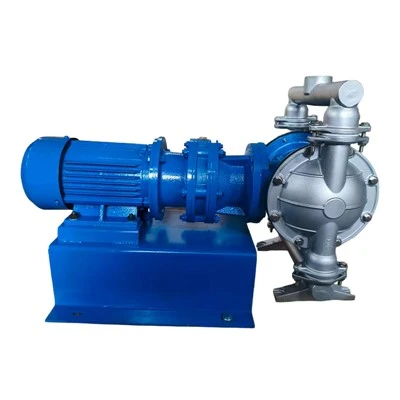
Diaphragm pumps are also positive displacement pumps. They use a flexible diaphragm that moves back and forth to create a pumping action. When the diaphragm moves away from the pump chamber, it creates a vacuum that draws fluid into the chamber through an inlet valve. As the diaphragm moves back towards the chamber, it compresses the fluid, forcing it out through an outlet valve. Diaphragm pumps are known for their ability to handle viscous fluids and fluids with solid particles, as the diaphragm provides a physical barrier between the pump mechanism and the fluid.
Flow and Pressure Characteristics
Flow Rate
Screw pumps typically offer a constant flow rate regardless of the pressure in the system, as long as the pump is operating within its designed capacity. This makes them ideal for applications where a consistent flow is required, such as in chemical dosing, fuel transfer, and lubrication systems. In contrast, centrifugal pumps have a flow rate that varies with the system pressure. As the pressure in the system increases, the flow rate of a centrifugal pump decreases. Diaphragm pumps have a pulsating flow, and the flow rate can be adjusted by changing the stroke length or the speed of the diaphragm movement.
Pressure Generation
Screw pumps are capable of generating relatively high pressures, especially multi – screw pumps. They can handle pressures up to several hundred bar, depending on the design and materials used. Centrifugal pumps are better suited for applications where high flow rates at lower pressures are required. They can generate moderate pressures, but their efficiency drops significantly at high pressures. Diaphragm pumps can generate high pressures, but their flow rates are generally lower compared to screw pumps. They are often used in applications where high – pressure, low – flow pumping is needed, such as in paint spraying and some types of chemical injection systems.
Viscosity Handling
Screw Pumps
One of the most significant advantages of screw pumps is their excellent ability to handle viscous fluids. The positive displacement action of screw pumps allows them to pump fluids with viscosities ranging from a few centipoise to several million centipoise. The screw design creates a gentle pumping action that minimizes shear stress on the fluid, which is crucial for handling shear – sensitive fluids like polymers, adhesives, and food products.
Centrifugal Pumps
Centrifugal pumps struggle with high – viscosity fluids. As the viscosity of the fluid increases, the efficiency of a centrifugal pump decreases rapidly. The high – speed rotation of the impeller creates a lot of shear stress, which can cause damage to some viscous fluids. Centrifugal pumps are typically more suitable for low – viscosity fluids such as water, gasoline, and thin oils.
Diaphragm Pumps
Diaphragm pumps can handle moderately viscous fluids. However, as the viscosity increases, the pumping capacity of a diaphragm pump may decrease, and the pulsating nature of the flow can become more pronounced. They are not as effective as screw pumps in handling very high – viscosity fluids.
Applications
Screw Pumps
Due to their ability to handle a wide range of viscosities and generate high pressures with a smooth flow, screw pumps are used in a variety of industries. In the oil and gas industry, they are used for crude oil transfer, fuel injection, and lubrication systems. In the food and beverage industry, screw pumps are used for pumping viscous products like chocolate, syrup, and yogurt. They are also commonly used in the chemical industry for transferring various chemicals, including corrosive and abrasive fluids.
Centrifugal Pumps
Centrifugal pumps are widely used for water supply, irrigation, and HVAC (heating, ventilation, and air conditioning) systems. Their high – flow, low – pressure characteristics make them ideal for applications where large volumes of water need to be moved quickly and efficiently. They are also used in the power generation industry for circulating cooling water and condensate.
Diaphragm Pumps
Diaphragm pumps are often used in applications where the fluid contains solid particles or where a high degree of chemical resistance is required. They are used in wastewater treatment plants for pumping sludge, in the mining industry for transferring slurry, and in the pharmaceutical industry for dosing and transferring corrosive chemicals.
Maintenance and Reliability
Screw Pumps
Screw pumps are generally known for their reliability. They have a simple design with few moving parts, which reduces the likelihood of mechanical failure. The wear on the screws and the housing is minimized due to the smooth pumping action, resulting in longer service intervals. However, proper maintenance of the sealing system is crucial to prevent fluid leakage. Regular inspection of the screws and the bearings is also recommended to ensure optimal performance.
Centrifugal Pumps
Centrifugal pumps require relatively more maintenance compared to screw pumps. The impeller and the shaft seals are prone to wear, especially when handling abrasive or corrosive fluids. The alignment of the impeller and the motor is also critical for efficient operation. Regular cleaning of the impeller and the volute is necessary to prevent blockages and maintain the pump’s efficiency.
Diaphragm Pumps
Diaphragm pumps require maintenance to replace the diaphragm periodically, as the diaphragm can wear out over time due to the repeated flexing. The check valves also need to be inspected and maintained to ensure proper operation. However, compared to some other pump types, diaphragm pumps are relatively easy to maintain, especially for smaller, portable units.
Why Choose Screw Pumps from Our Supplier?
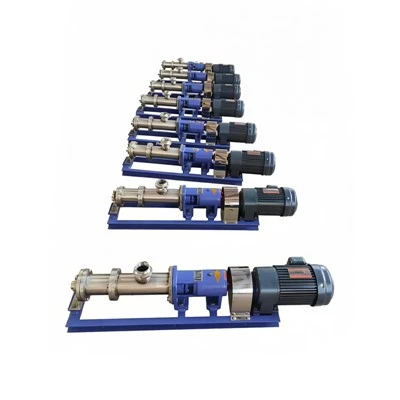
As a screw pump supplier, we offer high – quality screw pumps that are designed to meet the diverse needs of our customers. Our pumps are engineered with precision, using the latest manufacturing techniques and high – quality materials. We have a wide range of screw pump models available, with different flow rates, pressure ratings, and materials of construction to suit various applications.
Our experienced technical team can provide customized solutions based on your specific requirements. Whether you need a pump for a small – scale laboratory application or a large – scale industrial process, we can help you select the right pump for the job. We also offer comprehensive after – sales service, including installation, commissioning, and maintenance support.
Diaphragm Pump If you are in the market for a reliable and efficient pump, screw pumps are an excellent choice. And if you are considering a screw pump supplier, we invite you to contact us to discuss your procurement needs. Our team is ready to provide you with detailed product information, quotations, and technical advice. We look forward to the opportunity to work with you and help you find the perfect screw pump solution for your business.
References
- “Pump Handbook” by Igor J. Karassik, Joseph P. Messina, Paul Cooper, and Charles C. Heald.
- “Centrifugal Pumps: Design and Application” by Joseph P. Messina and Igor J. Karassik.
- “Positive Displacement Pumps: Selection and Application” by Heinz P. Bloch and Fred K. Geitner.
Botou Hengyang Pump & Valve Co., Ltd.
With abundant experience, we are one of the most professional screw pump manufacturers and suppliers in China. Please feel free to buy high standard screw pump made in China here and get pricelist from our factory. All customized pumps are with high quality and competitive price.
Address: No. 159, Road 1, Development Zone, Botou City, Cangzhou, Hebei Province, China
E-mail: bthdbf@163.com
WebSite: https://www.hyoilp.com/
