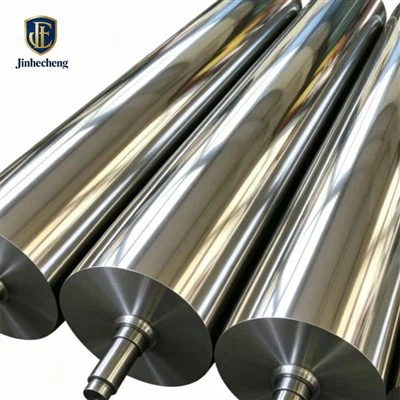
When it comes to manufacturing stainless steel rollers, one of the most critical decisions is selecting the right bearing. The bearing is not just a small component; it plays a pivotal role in the performance, durability, and overall efficiency of the stainless steel roller. As a supplier of stainless steel rollers, I’ve encountered numerous challenges and learned valuable lessons in the process of bearing selection. In this blog, I’ll share my insights on how to choose the appropriate bearing for a stainless steel roller. Stainless Steel Roller
Understanding the Basics of Bearings
Before delving into the selection process, it’s essential to have a basic understanding of bearings. Bearings are mechanical components that reduce friction between moving parts and support radial and axial loads. They come in various types, including ball bearings, roller bearings, and plain bearings. Each type has its unique characteristics and applications, which makes it crucial to choose the right one for your stainless steel roller.
Ball bearings are the most common type of bearing. They use balls to separate the moving parts and reduce friction. Ball bearings are suitable for applications that require high-speed rotation and low friction. They can handle both radial and axial loads, but their load-carrying capacity is relatively limited compared to roller bearings.
Roller bearings, on the other hand, use cylindrical, tapered, or spherical rollers to support the load. They have a higher load-carrying capacity than ball bearings and are better suited for applications that involve heavy loads and slow to moderate speeds. Roller bearings can be further classified into different types, such as cylindrical roller bearings, tapered roller bearings, and spherical roller bearings, each designed for specific load and application requirements.
Plain bearings, also known as bushings, are the simplest type of bearing. They consist of a single sleeve or a pair of sleeves that provide a sliding surface between the moving parts. Plain bearings are suitable for applications that require low-speed operation, high load capacity, and low cost. They are often used in applications where the environment is dirty or where lubrication is difficult to maintain.
Factors to Consider When Selecting a Bearing for a Stainless Steel Roller
When selecting a bearing for a stainless steel roller, several factors need to be considered to ensure optimal performance and reliability. These factors include load requirements, speed requirements, environmental conditions, and lubrication requirements.
Load Requirements
The load requirements of the stainless steel roller are one of the most important factors to consider when selecting a bearing. The bearing must be able to support the radial and axial loads exerted on the roller without excessive wear or failure. To determine the load requirements, you need to consider the weight of the roller, the weight of the material being transported or processed, and any additional forces or vibrations that may be present during operation.
Once you have determined the load requirements, you can select a bearing that is capable of handling the specific load. For light to moderate loads, ball bearings may be a suitable choice. For heavy loads, roller bearings are typically recommended. It’s important to note that the load-carrying capacity of a bearing is not the only consideration; you also need to consider the dynamic load rating and the static load rating to ensure that the bearing can handle the expected loads over its service life.
Speed Requirements
The speed requirements of the stainless steel roller are another important factor to consider when selecting a bearing. The bearing must be able to operate at the required speed without overheating or excessive wear. To determine the speed requirements, you need to consider the rotational speed of the roller and the type of application.
For high-speed applications, ball bearings are generally preferred because they have a lower friction coefficient and can operate at higher speeds than roller bearings. However, if the application requires high load capacity and moderate speeds, roller bearings may be a better choice. It’s important to note that the speed rating of a bearing is not the only consideration; you also need to consider the lubrication requirements and the operating environment to ensure that the bearing can operate at the required speed without damage.
Environmental Conditions
The environmental conditions in which the stainless steel roller will operate are also important factors to consider when selecting a bearing. The bearing must be able to withstand the temperature, humidity, dust, dirt, and other contaminants that may be present in the operating environment.
For applications that involve high temperatures, bearings made of high-temperature materials, such as ceramic or stainless steel, may be required. For applications that involve high humidity or exposure to water, bearings with corrosion-resistant coatings or materials, such as stainless steel or ceramic, may be necessary. For applications that involve dusty or dirty environments, bearings with sealed or shielded designs may be recommended to prevent the ingress of contaminants.
Lubrication Requirements
The lubrication requirements of the bearing are also an important consideration. Proper lubrication is essential to reduce friction, prevent wear, and extend the service life of the bearing. The type of lubrication required depends on the type of bearing, the operating conditions, and the speed of the roller.
For most applications, grease lubrication is sufficient. Grease provides a long-lasting lubricant film that helps to reduce friction and prevent wear. However, for high-speed applications or applications that involve heavy loads, oil lubrication may be necessary. Oil lubrication provides better cooling and lubrication properties than grease and can help to reduce friction and prevent wear at high speeds and under heavy loads.
Selecting the Right Bearing Material
In addition to considering the factors mentioned above, it’s also important to select the right bearing material. The bearing material plays a crucial role in determining the performance, durability, and corrosion resistance of the bearing.
For stainless steel rollers, stainless steel bearings are often the preferred choice. Stainless steel bearings offer excellent corrosion resistance, making them suitable for applications that involve exposure to moisture, chemicals, or other corrosive substances. They also have good mechanical properties, such as high strength and hardness, which make them suitable for applications that involve heavy loads and high speeds.
However, stainless steel bearings are not suitable for all applications. In some cases, other materials, such as ceramic or plastic, may be more appropriate. Ceramic bearings offer excellent high-temperature performance, low friction, and high wear resistance. They are often used in applications that involve high speeds, high temperatures, or corrosive environments. Plastic bearings offer excellent corrosion resistance, low friction, and self-lubricating properties. They are often used in applications that involve low loads, low speeds, or where lubrication is difficult to maintain.
Working with a Bearing Supplier
Selecting the right bearing for a stainless steel roller can be a complex process. It requires a thorough understanding of the application requirements, the bearing types and materials available, and the factors that affect bearing performance. As a stainless steel roller supplier, I recommend working with a reputable bearing supplier who can provide expert advice and guidance on bearing selection.
A good bearing supplier will have a team of experienced engineers and technicians who can help you determine the load requirements, speed requirements, environmental conditions, and lubrication requirements of your application. They can also recommend the most suitable bearing type and material based on your specific needs and provide you with detailed product information and specifications.
In addition to providing expert advice and guidance, a good bearing supplier will also offer a wide range of high-quality bearings at competitive prices. They will have a large inventory of bearings in stock, which means that they can provide you with the bearings you need quickly and efficiently. They will also offer excellent customer service, which means that they will be available to answer your questions and provide you with support throughout the bearing selection and installation process.
Conclusion

Selecting the right bearing for a stainless steel roller is a critical decision that can have a significant impact on the performance, durability, and overall efficiency of the roller. By considering the load requirements, speed requirements, environmental conditions, and lubrication requirements of your application, and by selecting the right bearing type and material, you can ensure that your stainless steel roller operates smoothly and reliably for many years to come.
Stainless Steel Roller If you’re in the market for stainless steel rollers and need help selecting the right bearing, I encourage you to reach out to us. Our team of experts is dedicated to providing you with the highest quality stainless steel rollers and bearings at competitive prices. We have the knowledge, experience, and resources to help you find the perfect solution for your application. Contact us today to learn more about our products and services and to discuss your specific needs.
References
- Harris, T. A., & Kotzalas, M. N. (2007). Rolling Bearing Analysis (4th ed.). Wiley.
- Zorowski, W. (2012). Bearing Installation and Maintenance Handbook. McGraw-Hill Professional.
- ANSI/ABMA Standards for rolling bearings.
Qingdao Jinhecheng Machinery Co., Ltd.
Qingdao Jinhecheng Machinery Co., Ltd. is one of the most professional stainless steel roller manufacturers and suppliers in China, featured by quality products and low price. Please rest assured to buy discount stainless steel roller made in China here from our factory. Customized orders are welcome.
Address: Aishan Industrial Park, Yanghe Town, Jiaozhou, Qingdao City, Shandong Province
E-mail: alice@jhcroller.com
WebSite: https://www.jhcroller.com/
