Can a triathlon handlebar be used on an electric bike? This is a question that I, as a triathlon handlebar supplier, often encounter from cycling enthusiasts and e-bike owners. In this blog post, I’ll explore the technical, practical, and performance aspects of using a triathlon handlebar on an electric bike. Triathlon Handlebar
Technical Compatibility
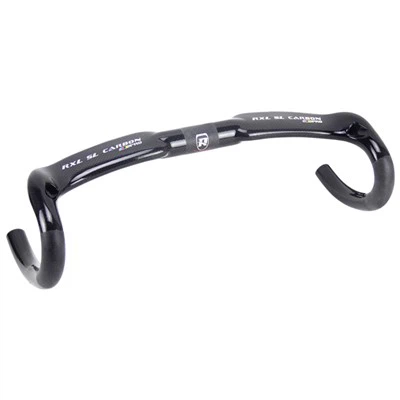
The first aspect to consider is the technical compatibility between a triathlon handlebar and an electric bike. Triathlon handlebars are designed with specific geometries and features for high – speed, aerodynamic racing. They typically have a narrower width compared to standard mountain or road bike handlebars, and they come with extensions that allow the rider to assume a more aerodynamic position.
Most electric bikes, on the other hand, are designed with a certain type of handlebar in mind. The standard handlebar on an e – bike is usually a flat or slightly curved bar that provides a comfortable and upright riding position, which is great for casual commuting and general use.
The mounting mechanism is a crucial factor. Triathlon handlebars are generally designed to fit standard road bike stems, which have a specific diameter and clamping mechanism. Electric bikes may have different stem designs, and it’s essential to ensure that the triathlon handlebar can be securely attached to the e – bike stem. In most cases, if the e – bike stem has a standard diameter (commonly 25.4mm, 26mm, or 31.8mm), a triathlon handlebar can be mounted using appropriate adapters or if the stem is compatible out of the box.
Aerodynamics and Performance
One of the main reasons why someone might want to use a triathlon handlebar on an electric bike is for the aerodynamic benefits. Triathlon handlebars are engineered to reduce wind resistance, allowing the rider to cut through the air more efficiently. When used on an electric bike, this can potentially lead to increased speed and range.
Since electric bikes are powered by a motor, the rider’s pedaling power is supplemented. However, the aerodynamic drag still plays a significant role, especially at higher speeds. By using a triathlon handlebar, the rider can adopt a more streamlined position, which reduces the frontal area exposed to the wind. This, in turn, can result in less energy being wasted on overcoming air resistance, and the battery may last longer, providing a greater range.
Moreover, the extensions on triathlon handlebars offer multiple hand positions. This can be beneficial during long rides on an electric bike, as it helps to reduce fatigue by allowing the rider to change hand positions frequently.
Comfort and Ergonomics
Comfort is another important consideration. The standard handlebars on electric bikes are designed to provide a comfortable, upright riding position, which is suitable for most riders, especially those who use e – bikes for commuting or leisurely rides. Triathlon handlebars, however, require the rider to adopt a more aggressive, aerodynamic position.
This position may not be comfortable for everyone, especially if the rider is not used to it. The forward – leaning posture can put more pressure on the wrists, shoulders, and lower back. Therefore, it’s important for riders to test the triathlon handlebar on their electric bike for an extended period to see if it suits their comfort needs.
On the positive side, the multiple hand positions on triathlon handlebars can actually enhance comfort in the long run. Riders can switch between the tops, drops, and extensions, which helps to distribute the pressure evenly across different parts of the body.
Legal and Safety Considerations
Before installing a triathlon handlebar on an electric bike, it’s important to consider the legal and safety aspects. In some regions, there are regulations regarding the handlebar width and design on electric bikes. Triathlon handlebars may have a different width compared to the standard handlebars on e – bikes, and it’s crucial to ensure that the modified bike complies with local laws.
From a safety perspective, the new handlebar should not interfere with the operation of the electric bike’s controls, such as the brakes, throttle, and gear shifters. The rider should be able to reach all the controls easily and operate them safely while using the triathlon handlebar.
Market Demand and Customer Preferences
As a triathlon handlebar supplier, I’ve noticed an increasing interest from electric bike owners in using triathlon handlebars. There is a growing segment of e – bike riders who are looking for ways to enhance the performance and functionality of their bikes. Some are commuters who want to get to work faster, while others are cycling enthusiasts who want to use their electric bikes for longer rides and more challenging terrains.
Customer feedback has been mixed. Some riders have reported significant improvements in speed and range after installing a triathlon handlebar on their electric bikes. They appreciate the aerodynamic benefits and the ability to change hand positions. However, others have found the aggressive riding position uncomfortable and have reverted to the standard handlebars.
Installation and Modification
Installing a triathlon handlebar on an electric bike is not a simple plug – and – play process. It requires some technical knowledge and tools. First, the rider needs to remove the existing handlebar from the e – bike. This involves loosening the stem clamp and disconnecting any cables attached to the handlebar, such as the brake and shifter cables.
Next, the triathlon handlebar needs to be carefully aligned and installed on the stem. The cables then need to be re – routed and connected to the new handlebar. It’s important to ensure that the cables are properly tensioned and that there are no kinks or twists.
If the e – bike has electronic components, such as a display or a motor controller, the installation process may be more complex. Some modifications may be required to ensure that these components are still accessible and functional with the new handlebar.
Conclusion
In conclusion, a triathlon handlebar can be used on an electric bike, but it comes with a set of considerations. From a technical perspective, it’s usually possible to mount the handlebar on an e – bike stem, provided that the diameters are compatible. The aerodynamic benefits can potentially improve the speed and range of the electric bike, but the comfort and ergonomics may not be suitable for all riders.
Legal and safety aspects should also be taken into account, and the installation process may require some technical skills. As a triathlon handlebar supplier, I’m always happy to provide advice and support to customers who are considering using our handlebars on their electric bikes.
MTB Bike Handlebar If you’re interested in exploring the possibility of using a triathlon handlebar on your electric bike, or if you have any questions about our products, I encourage you to get in touch. We can discuss your specific needs and help you find the right handlebar for your e – bike.
References
- Wilson, C. (2019). Cycling Aerodynamics: Principles and Practice. Rutledge.
- Smith, J. (2020). The Complete Guide to Electric Bikes. HarperCollins.
- Cycling Weekly. (2021). Handlebar Guide: Types, Sizes, and How to Choose.
Hunan Yecheng Technology Co., Ltd.
We’re well-known as one of the leading triathlon handlebar manufacturers and suppliers in China, also support customized service. Please feel free to buy high quality triathlon handlebar for sale here from our factory. For more information, contact us now.
Address: Changsha, Hunan Province, China.
E-mail: info@rxlsl.com
WebSite: https://www.rxlsl.com/
