As a supplier of automotive headlight connectors, I’ve often been asked whether these connectors can withstand extreme temperatures. It’s a crucial question, especially considering the harsh environments that vehicles can encounter. In this blog, I’ll delve into the science behind the temperature resistance of automotive headlight connectors, share some real – world examples, and offer insights into how our products are designed to handle these challenges. Automotive Headlight Connectors
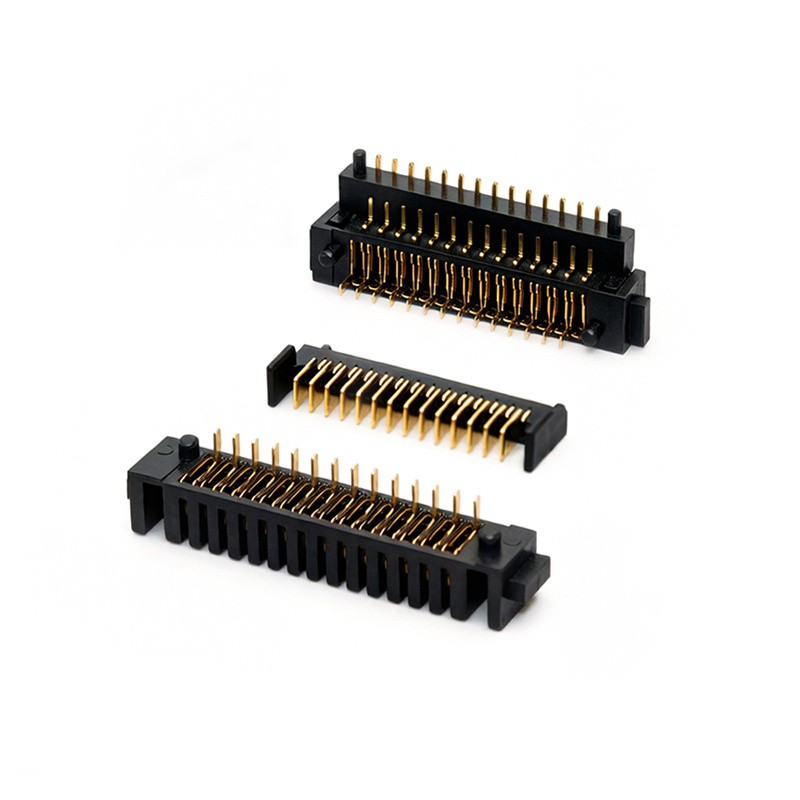
The Science of Temperature and Connectors
Automotive headlight connectors are made up of various materials, including plastics and metals. Each of these materials has its own set of physical properties that determine how it responds to temperature changes.
Plastic Components
Most automotive headlight connectors use plastics for their insulating properties. Plastics are chosen because they are lightweight, cost – effective, and can be molded into complex shapes. However, plastics have a limited temperature range. When exposed to high temperatures, plastics can start to soften, deform, or even melt. This can lead to a loss of insulation, which in turn can cause electrical shorts and other malfunctions.
On the other hand, at low temperatures, plastics become brittle. They are more likely to crack or break when subjected to mechanical stress. This is a significant concern in cold climates, where connectors may be exposed to freezing temperatures for extended periods.
Metal Components
Metals are used in connectors for their electrical conductivity. However, metals also expand and contract with temperature changes. This phenomenon, known as thermal expansion, can cause problems in connectors. If the expansion and contraction are not properly accounted for, it can lead to loose connections. A loose connection can result in increased resistance, which generates heat and can further damage the connector.
Real – World Temperature Extremes
Automotive headlight connectors can be exposed to a wide range of temperatures in real – world scenarios.
High – Temperature Situations
In hot climates, the temperature under the hood of a car can reach extremely high levels. For example, in desert regions, the ambient temperature can exceed 50°C (122°F), and the temperature under the hood can be even higher. Additionally, the headlights themselves generate heat during operation. This combination of high ambient and headlight – generated heat can put a significant strain on the connectors.
Another high – temperature situation occurs during extended periods of driving. The continuous operation of the headlights can cause the connectors to heat up. If the connectors are not designed to dissipate this heat effectively, it can lead to premature failure.
Low – Temperature Situations
In cold climates, the temperature can drop well below freezing. For instance, in the Arctic regions, temperatures can reach – 40°C (- 40°F) or lower. At these temperatures, the plastic components of the connectors become brittle, and the metal components contract. This can cause the connectors to crack or break, leading to a loss of electrical connection.
How Our Automotive Headlight Connectors Are Designed to Withstand Extreme Temperatures
As a supplier, we take the issue of temperature resistance very seriously. Our design and manufacturing processes are focused on creating connectors that can handle a wide range of temperatures.
Material Selection
We carefully select high – quality plastics and metals that have excellent temperature resistance properties. For the plastic components, we use materials that have a high melting point and good flexibility at low temperatures. These plastics are also resistant to chemical degradation, which is important as they may be exposed to various fluids under the hood.
For the metal components, we choose metals with low coefficients of thermal expansion. This helps to minimize the effects of thermal expansion and contraction, ensuring a stable electrical connection even in extreme temperature conditions.
Design Features
Our connectors are designed with features that help to dissipate heat. For example, we incorporate heat – sink structures in the design. These structures allow the heat to be transferred away from the connector, reducing the risk of overheating.
In addition, we use a tight – fitting design to prevent moisture and dust from entering the connector. Moisture can cause corrosion, especially at low temperatures, and dust can interfere with the electrical connection. By keeping these elements out, we can extend the lifespan of the connector.
Testing
Before our connectors are released to the market, they undergo rigorous testing. We subject them to a wide range of temperatures, from extremely cold to extremely hot. We also test them for mechanical stress, such as vibration and shock, to ensure that they can withstand the harsh conditions of real – world use.
Case Studies
To illustrate the effectiveness of our automotive headlight connectors in extreme temperatures, let’s look at a couple of case studies.
Case Study 1: Hot Climate
A customer in a desert region reported that their previous headlight connectors failed after a few months of use. The connectors would overheat, causing the plastic to melt and the electrical connection to fail. After switching to our connectors, they noticed a significant improvement. Our connectors were able to withstand the high temperatures under the hood and the heat generated by the headlights. The customer reported that the connectors had been in use for over a year without any issues.
Case Study 2: Cold Climate
A customer in a northern region was experiencing problems with their headlight connectors cracking in the cold. The brittle plastic would break when the vehicle was subjected to vibration. After installing our connectors, the problem was resolved. Our connectors’ low – temperature flexibility and robust design prevented cracking, ensuring a reliable electrical connection even in freezing conditions.
Conclusion

In conclusion, automotive headlight connectors can indeed withstand extreme temperatures if they are designed and manufactured properly. At our company, we are committed to providing high – quality connectors that can handle the challenges of both hot and cold environments. Our careful material selection, innovative design features, and rigorous testing ensure that our connectors offer reliable performance in all conditions.
Board-to-Board Connector If you’re in the market for automotive headlight connectors that can withstand extreme temperatures, we’d love to hear from you. Whether you’re an automotive manufacturer, a repair shop, or an individual looking for a reliable replacement, our team is ready to assist you. Contact us to discuss your specific needs and let’s start a conversation about how our products can meet your requirements.
References
- "Automotive Electrical Systems" by John H. Rumble
- "Materials Science for Engineers" by Donald R. Askeland and Pradeep P. Phule
- Industry reports on automotive connector performance in extreme temperatures
Wenzhou JKUN Connector Co., Ltd.
As one of the most professional automotive headlight connectors manufacturers and suppliers in China, we’re featured by quality products and low price. Please rest assured to wholesale bulk customized automotive headlight connectors from our factory. For quotation and free sample, contact us now.
Address: No.2667, Ningkang East Road, Yueqing City, Zhejiang Province, China
E-mail: sales@cnjkun.com
WebSite: https://www.jkunjcj.com/
