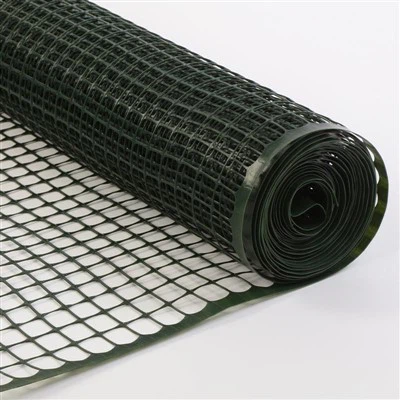
Detectable warning systems are essential in public spaces, serving as a crucial safety feature for individuals with visual impairments. Among these systems, detectable warning meshes have gained significant popularity due to their versatility and effectiveness. However, one important aspect that often comes under scrutiny is their performance in wet conditions. As a supplier of detectable warning meshes, I’ve had the privilege of diving deep into this topic through research, customer feedback, and practical experience. Detectable Warning Mesh
Understanding the Science Behind Wet Conditions and Traction
When it comes to wet conditions, the key factor affecting the performance of detectable warning meshes is traction. Traction, also known as friction, is the force that resists the relative motion of two surfaces in contact. In the case of detectable warning meshes, it’s the force that prevents pedestrians from slipping when walking on the mesh surface, especially when it’s wet.
The science of traction in wet conditions is complex. Water acts as a lubricant between the shoe sole and the mesh surface, reducing the friction coefficient. This reduction in friction can lead to a significant increase in the risk of slips and falls. However, the design and material of the detectable warning mesh play a crucial role in mitigating this risk.
Design Features for Enhanced Traction in Wet Conditions
One of the primary design features that contribute to the performance of detectable warning meshes in wet conditions is their surface texture. A rough or textured surface provides more contact points between the shoe sole and the mesh, increasing the friction coefficient. This is because the texture creates microchannels that allow water to escape, preventing the formation of a continuous water layer between the two surfaces.
Many of the detectable warning meshes we supply are designed with a unique surface pattern that not only enhances traction but also provides a distinct tactile pattern for individuals with visual impairments. This pattern is typically made up of small bumps or ridges that are evenly spaced across the surface of the mesh. When a pedestrian steps on the mesh, these bumps or ridges deform slightly, creating a suction effect that helps to increase friction.
Another important design feature is the drainage system. A well-designed detectable warning mesh should have a drainage system that allows water to quickly drain away from the surface. This helps to prevent the accumulation of water, which can reduce traction. Our meshes are designed with a series of holes or channels that allow water to flow through the mesh and onto the underlying surface.
Material Selection for Wet Conditions
The material used to make the detectable warning mesh also plays a crucial role in its performance in wet conditions. Some materials are more resistant to water and have better traction properties than others. For example, rubber is a popular material for detectable warning meshes because it is flexible, durable, and has excellent traction properties, even when wet.
Rubber meshes are also resistant to water damage, which means they can withstand exposure to moisture without deteriorating. This makes them ideal for use in outdoor environments where they are likely to be exposed to rain, snow, and other wet conditions.
In addition to rubber, some detectable warning meshes are made from synthetic materials such as PVC or vinyl. These materials are also waterproof and have good traction properties, but they may not be as flexible or durable as rubber. However, they are often more cost-effective, making them a popular choice for budget-conscious projects.
Real-World Testing and Performance
To ensure the performance of our detectable warning meshes in wet conditions, we conduct extensive real-world testing. This involves installing the meshes in various outdoor environments and monitoring their performance over time. We also collect feedback from customers who have installed our meshes in real-world applications.
One of the key findings from our testing is that the performance of detectable warning meshes in wet conditions can vary depending on the specific application and environment. For example, meshes installed in areas with high foot traffic and heavy rainfall may require more frequent cleaning and maintenance to ensure optimal performance.
We also found that the type of shoe sole can have a significant impact on traction. Some shoe soles are designed to provide better traction on wet surfaces than others. For example, shoes with deep treads or rubber soles are generally more slip-resistant than shoes with smooth soles.
Maintenance and Care in Wet Conditions
Proper maintenance and care are essential for ensuring the long-term performance of detectable warning meshes in wet conditions. Regular cleaning and inspection can help to remove dirt, debris, and other contaminants that can reduce traction. It’s also important to check the mesh for any signs of damage or wear and tear, and to replace any damaged sections as soon as possible.
In addition to regular cleaning and inspection, it’s also important to follow the manufacturer’s recommendations for installation and maintenance. This may include using specific cleaning products or techniques, and ensuring that the mesh is properly installed and secured.
Conclusion and Call to Action
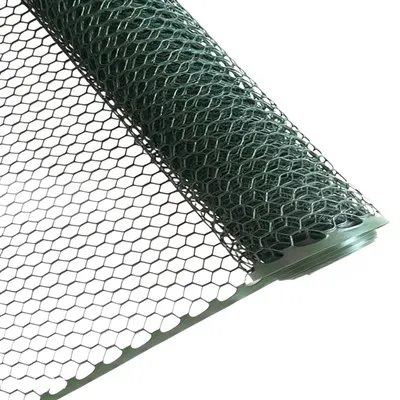
In conclusion, detectable warning meshes can perform well in wet conditions when they are designed and manufactured with the right features and materials. Our company is committed to providing high-quality detectable warning meshes that are specifically designed to meet the needs of our customers, even in challenging wet conditions.
Heavy Duty Snow Fence If you’re looking for a reliable supplier of detectable warning meshes, we’d love to hear from you. Our team of experts can help you choose the right mesh for your specific application, and provide you with all the support and guidance you need to ensure a successful installation. Whether you’re working on a small residential project or a large commercial development, we have the expertise and experience to meet your needs. Contact us today to learn more about our products and services, and to start the conversation about how we can help you create a safer and more accessible environment.
References
- ASTM International. (2021). Standard Specification for Detectable Warning Surfaces. ASTM F2473-21.
- National Floor Safety Institute. (2020). Slip Resistance Testing and Standards: A Guide for Industry Professionals.
- American Society of Safety Professionals. (2019). Safety Guidelines for Detectable Warning Systems in Public Spaces.
Shaoxing Yongte Plastics Co., Ltd.
We are one of the most reliable detectable warning mesh manufacturers and suppliers in China, specialized in providing high quality customized products. We warmly welcome you to wholesale discount detectable warning mesh for sale here from our factory. Contact us for pricelist and free sample.
Address: INDUSTRIAL PARK, LIZHU TOWN, KEQIAO DISTRICT, SHAOXING CITY, ZHEJIANG PROVINCE
E-mail: support@sxxyongte.com.cn
WebSite: https://www.fenceplastic.com/
