Can electrofusion fittings be used in underground applications? Electrofusion Fittings
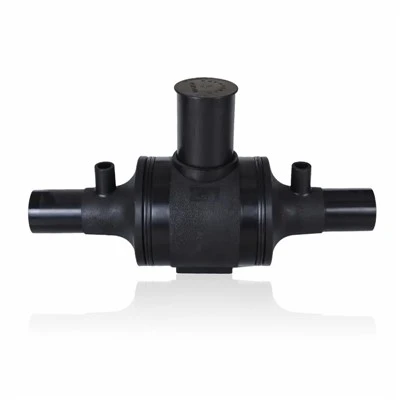
As a supplier of electrofusion fittings, I often get asked whether our products can be used in underground applications. The answer is a resounding yes, and in this blog post, I’ll explain the reasons behind this and provide you with a detailed understanding of how electrofusion fittings perform in such environments.
Understanding Electrofusion Fittings
Before delving into their underground applications, let’s briefly understand what electrofusion fittings are. Electrofusion fittings are a type of pipe joining technology used primarily for thermoplastic pipes, such as polyethylene (PE) pipes. These fittings have built – in electrical heating elements. When an electric current is applied, the heating elements melt the inner surface of the fitting and the outer surface of the pipe, creating a homogeneous and strong joint once cooled.
Advantages of Using Electrofusion Fittings Underground
Durability and Resistance
One of the most significant advantages of electrofusion fittings in underground applications is their durability. Underground environments can be harsh, with exposure to soil chemicals, moisture, and varying temperatures. Polyethylene electrofusion fittings are highly resistant to corrosion, which is a major concern for underground pipes. Unlike metal pipes that can rust and degrade over time, PE electrofusion fittings maintain their integrity, ensuring long – term performance of the pipeline system.
For example, in areas with acidic or alkaline soils, metal pipes would quickly start to corrode, leading to leaks and system failures. In contrast, electrofusion – joined PE pipes can withstand these chemical attacks, providing a reliable solution for water supply, gas distribution, and sewage systems underground.
Flexibility
Underground conditions can cause soil movement due to factors like earthquakes, ground settlement, or freezing and thawing cycles. Electrofusion – joined polyethylene pipes offer a high degree of flexibility. This flexibility allows the pipes to bend and adapt to ground movement without causing damage to the joints. The homogeneous joint created by electrofusion is as strong as the pipe itself, which means that the entire pipeline can move as a single unit, reducing the risk of joint failure.
Leak – Tight Joints
In underground applications, preventing leaks is of utmost importance. Leaks can lead to water loss, contamination of the soil and groundwater, and damage to surrounding infrastructure. Electrofusion fittings create leak – tight joints. The melting and fusing process ensures a seamless bond between the fitting and the pipe, eliminating the potential for leaks at the joints. This is especially crucial for transporting hazardous substances like natural gas or for water supply systems where water conservation is a priority.
Installation Considerations for Underground Use
While electrofusion fittings are well – suited for underground applications, proper installation is key to ensuring their long – term performance.
Site Preparation
Before installation, the underground site needs to be carefully prepared. The trench should be excavated to the appropriate depth and width, with a smooth and stable base. Any sharp objects or rocks in the trench should be removed to prevent damage to the pipes and fittings during installation and over time.
Cleaning and Alignment
The pipe ends and the inside of the electrofusion fittings must be thoroughly cleaned before installation. Any dirt, debris, or moisture can interfere with the fusion process and weaken the joint. Additionally, proper alignment of the pipe and the fitting is crucial. Misalignment can result in uneven melting and a weak joint. Special alignment tools are often used to ensure accurate alignment.
Backfilling
After the electrofusion joints are completed, backfilling the trench is an important step. The backfill material should be free of large rocks and sharp objects. It should be carefully placed around the pipes to prevent damage. Compacting the backfill in layers helps to provide support to the pipeline and prevent settlement.
Case Studies of Underground Use of Electrofusion Fittings
Water Supply Project in a Rural Area
In a rural water supply project, electrofusion fittings were used to connect polyethylene pipes underground. The project area had a high water table and slightly acidic soil. Over a period of five years, the electrofusion – joined pipeline system has shown no signs of leaks or corrosion. The flexibility of the pipes has allowed them to withstand minor ground movements, and the leak – tight joints have ensured a continuous and reliable water supply to the community.
Gas Distribution Network in an Urban Area
In an urban gas distribution network, electrofusion fittings were installed underground. The network needed to be reliable and safe to prevent gas leaks, which could be extremely dangerous. The electrofusion – joined pipes have provided a secure and durable solution. The corrosion resistance of the polyethylene material has been beneficial in the urban environment, where there may be various pollutants in the soil.
Quality Assurance and Testing
As a supplier of electrofusion fittings, we take quality assurance very seriously. Our fittings undergo a series of tests to ensure they meet the highest standards for underground applications.
Material Testing
We test the raw materials used in the production of electrofusion fittings. This includes testing the polyethylene resin for its chemical composition, density, and mechanical properties. Only high – quality materials are used to ensure the durability and performance of the fittings.
Electrical Testing
The electrical components in electrofusion fittings are also rigorously tested. We check the resistance of the heating elements to ensure that they will generate the correct amount of heat during the fusion process. This ensures a consistent and strong joint.
Pressure Testing
Before leaving the factory, our electrofusion fittings are pressure – tested. This simulates the conditions they will face in underground applications, ensuring that they can withstand the operating pressures of the pipeline system without any leaks or failures.
Conclusion
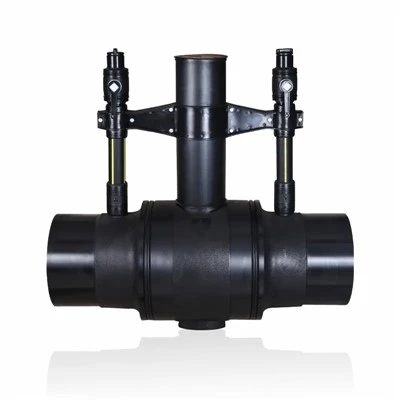
In conclusion, electrofusion fittings are an excellent choice for underground applications. Their durability, resistance to corrosion, flexibility, and ability to create leak – tight joints make them ideal for a wide range of pipeline systems, including water supply, gas distribution, and sewage systems. With proper installation and quality – assured products, electrofusion fittings can provide a long – term and reliable solution for underground infrastructure.
Steel-plastic Joint If you are considering an underground pipeline project and are looking for high – quality electrofusion fittings, I encourage you to reach out to us. We have a wide range of electrofusion fittings to meet your specific needs, and our team of experts can provide you with technical support and guidance. Contact us to start a discussion about your project and explore how our electrofusion fittings can be the right choice for you.
References
- "Plastic Pipes Handbook" by Berndt – Michael Rode
- "Design and Installation of Polyethylene Pipe Systems" published by the Plastics Pipe Institute
- Industry standards for electrofusion fittings such as ASTM and ISO standards
Yuyao Aoshi Hydraulic Components Manufacturing Co., Ltd.
As one of the most professional electrofusion fittings manufacturers and suppliers in China, we’re featured by quality products and good service. Please rest assured to wholesale electrofusion fittings in stock here and get quotation from our factory. Customized orders are welcome.
Address: Huilong village, Zhangting town, Yuyao city, Zhejiang province, China.
E-mail: renxuwei@vip.163.com
WebSite: https://www.jintongtrading.com/
